
The Role of Youth in Climate Resilience: insight from TGED program
June 19, 2026
Kick for Planet 2026: Using Football to Create Climate Awareness and Inspire Climate Action
July 6, 2026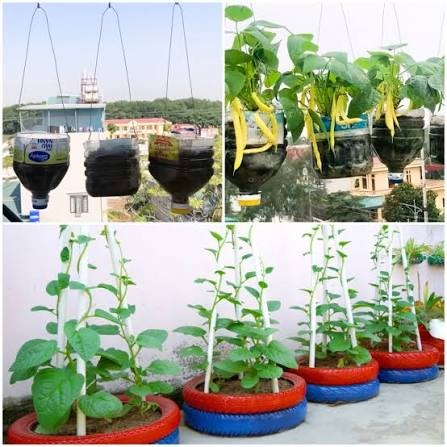
Vertical Gardening in Nigeria: Low-Cost Models for Schools & Homes
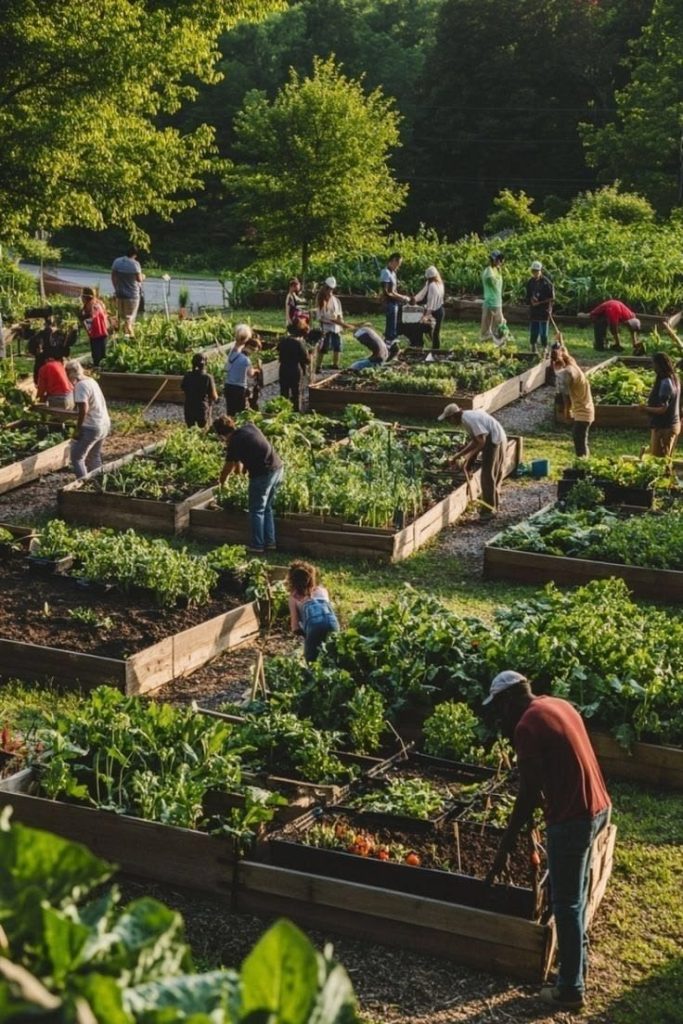
As urbanization continues to expand across the country and available land becomes increasingly limited, many Nigerians are looking for innovative ways to grow food and create greener environments. One solution gaining popularity is vertical gardening in Nigeria—a practical approach that allows individuals, schools, and communities to maximize small spaces for food production and environmental sustainability.
Whether in urban Neighborhood, school compounds, or residential homes, vertical gardening offers an affordable and climate-smart alternative to traditional gardening. As interest in home gardening in Nigeria continues to grow, vertical gardening is helping households and schools produce food, beautify their surroundings, and promote environmental responsibility.
Understanding Vertical Gardening in Nigeria
Vertical gardening is the practice of growing plants on vertically arranged structures rather than on conventional ground-level gardens. This method allows crops to be grown upward using walls, containers, shelves, hanging systems, sacks, or recycled materials.
Vertical gardening in Nigeria is particularly suitable for areas with limited land availability, making it an ideal solution for schools, urban homes, and small communities.
Common plants suitable for vertical gardens include:
• Leafy vegetables such as spinach, lettuce, and ugu
• Herbs including scent leaf and basil
• Tomatoes and peppers
• Cucumbers
• Ornamental plants
This approach demonstrates that limited space does not have to limit agricultural productivity.
Challenges That Must Be Addressed
Despite its benefits, vertical gardening still faces several barriers.
These include:
• Limited awareness and technical knowledge
• Inadequate access to gardening materials
• Water supply challenges during dry seasons
• Limited support for school gardening programs
• Maintenance requirements for long-term success
Addressing these challenges will require collaboration among schools, community organizations, government agencies, and environmental stakeholders
Why Vertical Gardening Matters
As Nigeria faces increasing environmental and food security challenges, sustainable gardening solutions are becoming more important.
Vertical gardening in Nigeria helps address several challenges by:
• Maximizing available space
• Supporting household food production
• Encouraging the reuse of recyclable materials
• Reducing environmental waste
• Improving urban greening efforts
• Promoting climate-smart agriculture
For schools, vertical gardens also provide hands-on learning opportunities that help students understand agriculture, sustainability, and environmental stewardship.
Low-Cost Models for Home Gardening in Nigeria
One of the greatest advantages of vertical gardening is that it can be established using affordable and locally available materials.
Plastic Bottle Gardens
Used plastic bottles can be transformed into vertical planters by cutting openings and attaching them to walls or wooden frames. This model supports both waste reduction and food production.
Sack Gardens
Sack gardening involves filling large sacks with soil and planting crops around the sides and top. It is one of the most popular methods of home gardening in Nigeria because it requires very little space and can support multiple vegetables at once.
Wooden Pallet Gardens
Old wooden pallets can be repurposed into vertical growing structures. They are durable, affordable, and suitable for both schools and households.
PVC Pipe Gardens
PVC pipes can be adapted into vertical growing systems with planting holes. These systems are especially useful in urban environments where space is limited.
Wall and Container Gardens
Walls, fences, old buckets, cans, and containers can be used to create simple vertical gardens that are both functional and visually appealing.
These low-cost models demonstrate that successful gardening does not require large plots of land or expensive equipment.
Creating Learning Opportunities in Schools
Beyond food production, vertical gardening in Nigeria can serve as an effective educational tool.
Schools can use vertical gardens to teach students about:
• Sustainable agriculture
• Environmental conservation
• Waste management and recycling
• Climate change adaptation
• Responsible resource use
By involving students in planting, maintenance, and harvesting activities, schools can promote practical environmental education while encouraging leadership and teamwork.
Building Climate Resilience Through Home Gardening in Nigeria
Climate change continues to affect food systems, livelihoods, and environmental health across Nigeria. Strengthening local food production is one way communities can improve resilience.
Home gardening in Nigeria provides households with opportunities to supplement food supplies, reduce food costs, and contribute to environmental sustainability. When combined with vertical gardening techniques, even small spaces can become productive and environmentally beneficial.
These solutions show how communities can take practical steps toward sustainability regardless of space constraints.
Lessons from Kenya: How Vertical Gardening is Strengthening Food Security and Livelihoods
Kenya has demonstrated how vertical gardening can improve food security and livelihoods in urban areas where land is scarce. In cities like Nairobi, households use sack gardens, hanging containers, and recycled materials to grow vegetables in small spaces. According to the World Bank (2013), urban agriculture has helped improve household food security, reduce spending on fresh produce, generate additional income, and create opportunities for women and youth. Kenya has further strengthened the sector through the Nairobi City County Urban Agriculture Promotion and Regulation Act (2015), which formally recognizes and supports urban farming.
Nigeria faces many of the same challenges as Kenya. The United Nations Environment Programme (UNEP 2014), in its assessment of urban and peri-urban agriculture in Ibadan, concluded that urban agriculture can play a significant role in strengthening urban resilience, improving livelihoods, and enhancing food security if supported through appropriate policies, technical training, and investment.
By adopting Kenya’s approach; encouraging schools, households, and communities to establish low-cost vertical gardens using locally available materials, Nigeria can increase access to fresh food, reduce waste, create green jobs, and build more resilient cities.
References
- Nairobi City County. (2015). Urban Agriculture Promotion and Regulation Act.
- United Nations Environment Programme (UNEP). (2014). Building Urban Resilience: Assessing Urban and Peri-urban Agriculture in Ibadan.
- World Bank. (2013). Urban Agriculture: Findings from Four City Case Studies.