
Tackling Single-Use Plastic Pollution in Nigeria: The Case for Stronger Legislation
July 29, 2026
From Land to Livelihood: How Community-Owned Conservation Can Restore Biodiversity and Strengthen Food Security
August 26, 2026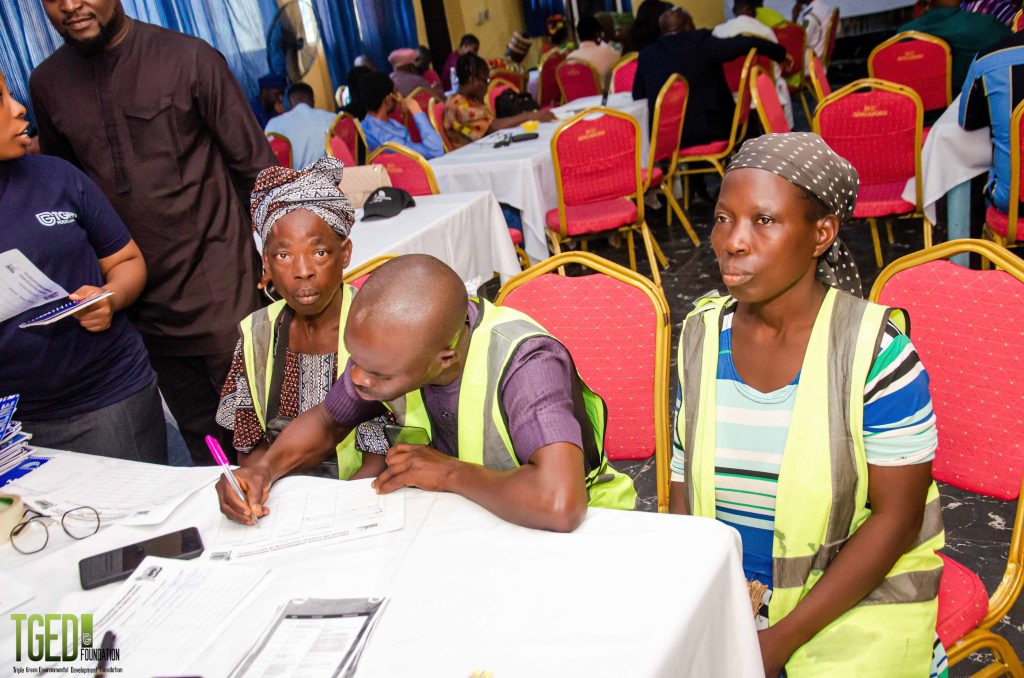
WHY GRASSROOTS VOICES MUST SHAPE NIGERIA’S CLIMATE POLICIES
In Nigeria, local communities bear the greatest burden of environmental shocks and climate-related disasters. Across the country, increasing temperatures, erratic rainfall, flooding, erosion, drought, and desertification have disrupted livelihoods, damaged infrastructure, reduced agricultural productivity, and threatened food and water security (IPCC 2023). Rural communities are particularly vulnerable because many depend on rain-fed agriculture, fishing, and other climate-sensitive livelihoods, making them highly exposed to the effects of climate change.
In northern Nigeria, prolonged drought and desertification have reduced crop yields, intensified water scarcity, and increased competition over natural resources, while severe gully erosion continues to threaten communities in the southeastern region by destroying homes, farmland, and critical infrastructure (FME 2021).
Because these communities experience the impacts of climate change firsthand, they possess valuable local knowledge about environmental changes, traditional adaptation practices, and sustainable resource management. Integrating their experiences into climate policy can lead to more effective, inclusive, and locally appropriate solutions that strengthen resilience and promote sustainable development.
Who are the grassroots?
In the context of climate policy, grassroots communities refer to local people and community groups at the community level who are directly affected by environmental challenges and whose knowledge and participation are essential for developing effective and sustainable solutions.
What Does Climate Policies Mean?
Climate policies are the laws, regulations, strategies, and actions developed by governments and other institutions to reduce greenhouse gas emissions, adapt to the impacts of climate change, and protect people, ecosystems, and economies from climate related risks. These policies guide national and local efforts to mitigate climate change while strengthening resilience to its effects.
Why grassroots voices must shape Nigeria’s climate policies
Grassroots voices must shape Nigeria’s climate policies because meaningful change begins at the community level. When local people are actively involved in decision making, climate solutions are more likely to address real challenges, gain public trust, and encourage longterm ownership. By empowering communities to participate in climate action, Nigeria can build stronger resilience and create environmental policies that drive lasting change across the nation.
Why grassroots voices matter
- Lived Experiences: Rural households, farmers, and coastal residents face immediate crises like erratic rainfall, severe flooding, and coastal erosion that formal desk policies miss.
- Indigenous Knowledge: Local communities possess time tested, sustainable agricultural and water management methods that improve local adaptation.
- Equitable Inclusion: Empowering marginalized groups such as rural women, youth, and persons with disabilities ensures that climate finance and solutions target the most vulnerable populations.
Challenges that limit the grassroots voices ability to influence climate policies and decision making processes.
Despite being on the frontlines of climate change, grassroots communities in Nigeria face numerous issue namely:
1. Limited participation in policymaking: climate policies are often developed by government agencies, experts, and international organizations with little consultation of local communities. As a result, the experiences, priorities, and indigenous knowledge of those directly affected are frequently overlooked (UNDP 2023).
2. Insufficient access to climate information and education: many rural communities lack timely weather forecasts, climate risk information, and awareness of adaptation strategies, making it difficult to prepare for or respond effectively to climate related disasters (WMO 2023).
3. Market Women are increasingly affected by extreme heat, flooding, and poor waste management. Floods often damage goods, disrupt market activities, and reduce their income. Many also lack access to affordable eco friendly packaging, making it difficult to reduce dependence on single-use plastics.
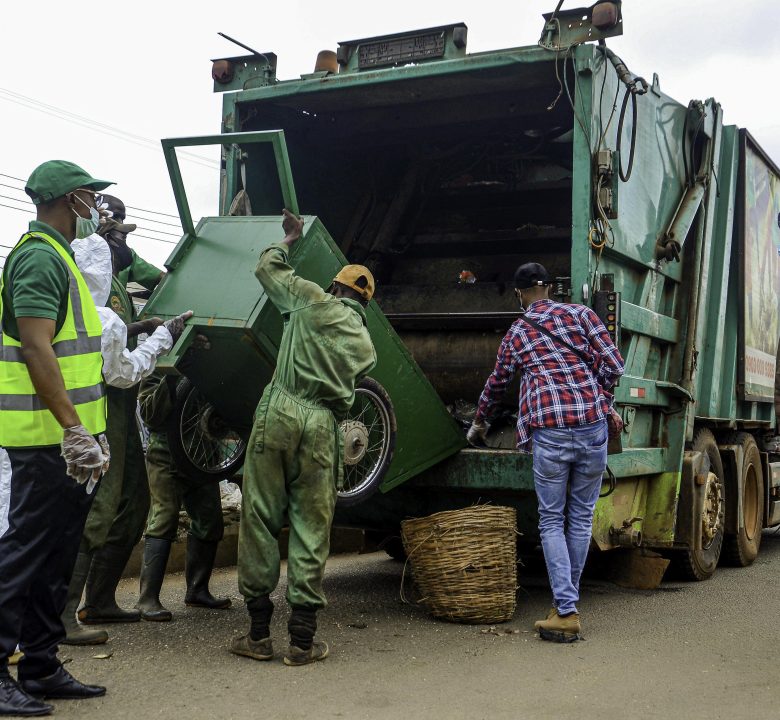
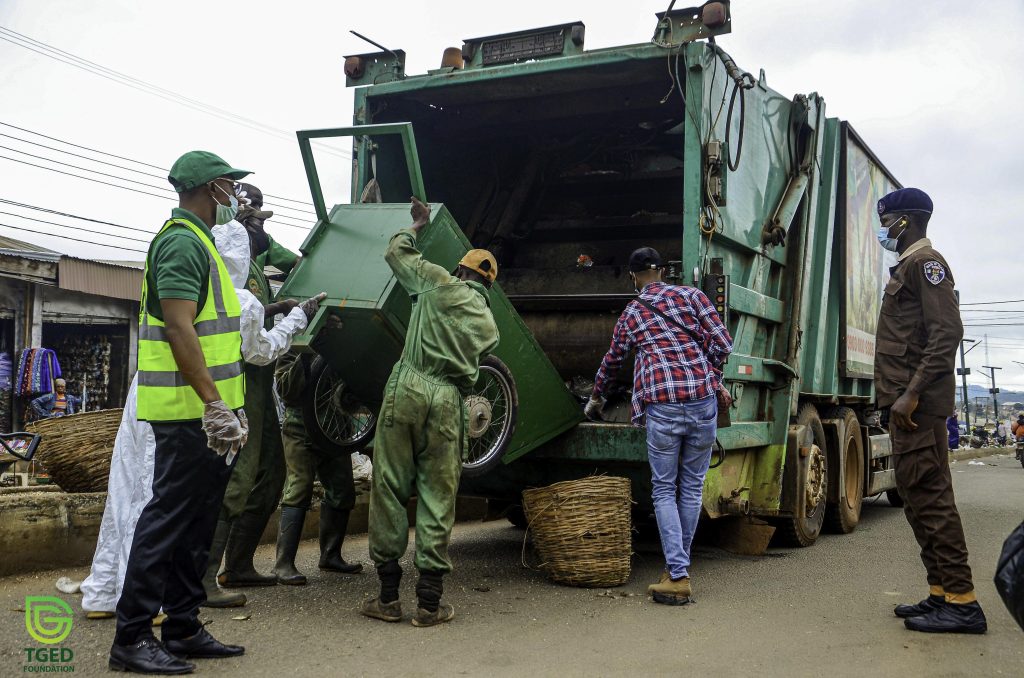
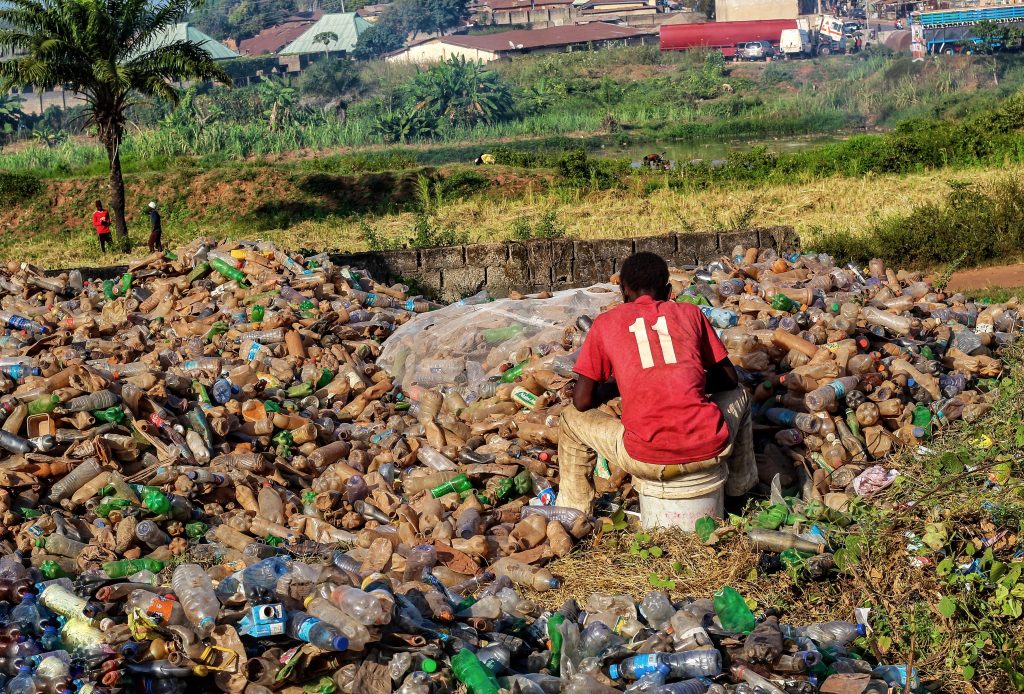
4. Waste pickers play a critical role in recycling and reducing pollution, yet they often work under unsafe and unhealthy conditions. They face poor public recognition, low and unstable incomes, inadequate protective equipment, exposure to hazardous waste, and limited access to healthcare and social protection. In many communities, waste pickers are excluded from formal waste management systems despite the important environmental services they provide.
4. Farmers are among the most vulnerable to climate change. Irregular rainfall, prolonged droughts, flooding, soil erosion, pest outbreaks, and declining soil fertility reduce crop yields and threaten food security. Many smallholder farmers also have limited access to improved seeds, irrigation systems, agricultural extension services, climate information, and financial support needed to adapt to changing weather conditions.
5. Young people often have innovative ideas and a strong desire to contribute to climate action, but they face barriers such as limited funding, inadequate training, unemployment, and exclusion from environmental decision-making. Many youth led climate initiatives struggle to secure financial and institutional support, reducing their impact.
Solutions to the Challenges Facing Grassroots Voices in Climate Action
Addressing climate change in Nigeria requires placing grassroots communities at the centre of climate governance through the following ways:
1. Governments should actively involve local communities, traditional leaders, women, youth, farmers, and civil society organizations in developing, implementing, and evaluating climate policies. Participatory decision making produces more inclusive, equitable, and effective climate solutions.
2. Governments, research institutions, and non-governmental organizations should provide communities with climate literacy programmes, early warning systems, weather forecasts, and practical adaptation training. Access to reliable information enables communities to prepare for climate risks and make informed decisions.
3. Market women can reduce plastic pollution by encouraging customers to use reusable shopping bags and baskets instead of single use plastics. They can also separate biodegradable waste from recyclable materials, educate customers on proper waste disposal, and support local campaigns that promote clean markets and environmental sanitation.
4. Waste pickers are essential to Nigeria’s circular economy. By collecting, sorting, and recovering recyclable materials such as plastics, glass, metals, and paper, they reduce the amount of waste sent to landfills and waterways, lower environmental pollution, and help conserve natural resources. Supporting waste pickers through better working conditions, protective equipment, and formal recognition can significantly improve waste management and reduce greenhouse gas emissions (UNEP 2024).
5. Community chiefs and traditional leaders play a vital role in mobilizing local people for climate action. They can enforce community environmental by-laws, discourage illegal dumping, bush burning, and deforestation, encourage tree-planting initiatives, protect community forests and water sources, and promote indigenous environmental knowledge. Because they are respected leaders, they can also raise awareness about climate change and encourage collective action within their communities.
6. Farmers can adopt climate smart agricultural practices such as crop rotation, agroforestry, mulching, water conservation, and the use of drought resistant crop varieties to improve food security while protecting the environment.
7. Youth groups and community volunteers can organize environmental awareness campaigns, community clean up exercises, tree planting activities, recycling drives, and climate education programmes in schools and neighbourhoods. Their active participation can inspire wider community involvement and promote long term environmental stewardship.
NGO’s as a facilitator in restoring and empowering grassroots voices
Grassroots organisations play a crucial role in connecting communities with policymakers and creating platforms where local experiences can influence environmental decisions. For example, through TGED Foundation’s ongoing campaign for a single-use plastic ban in Ekiti State, the organisation has brought together diverse stakeholders, including government representatives, private sector actors, market women, informal waste actors, civil society organisations, and community stakeholders. These engagements provide space for those directly affected by plastic pollution and waste management challenges to share their experiences and contribute to shaping proposed policy measures.
This demonstrates how NGOs can serve as a bridge between grassroots communities and decision-makers, ensuring that environmental policies are informed not only by technical and institutional perspectives but also by the realities of the people expected to implement and live with them.
Conclusion
In summary, recognizing and integrating local knowledge with scientific evidence can produce more effective and sustainable climate solutions, also when these grassroots actors work together with local governments, civil society organizations, and environmental agencies, they create practical, community-driven solutions that strengthen resilience and contribute to Nigeria’s climate goals.
References
Federal Ministry of Environment. (2021). National Adaptation Plan Framework for Nigeria. Abuja, Nigeria.
Intergovernmental Panel on Climate Change 2023: Synthesis Report. Contribution of Working Groups I, II and III to the Sixth Assessment Report of the Intergovernmental Panel on Climate Change. IPCC. https://www.ipcc.ch/report/ar6/syr/
United Nations Environment Programme. (2023). Adaptation Gap Report 2023. https://www.unep.org/resources/adaptation-gap-report-2023
World Meteorological Organization. (2023). State of the Global Climate 2023. https://wmo.int/publication-series/state-of-global-climate-2023
United Nations Environment Programme. (2024). Global Waste Management Outlook 2024. https://www.unep.org/resources/global-waste-management-outlook-2024