
2026 HALF YEAR IMPACT REPORT
July 21, 2026
WHY GRASSROOTS VOICES MUST SHAPE NIGERIA’S CLIMATE POLICIES
August 12, 2026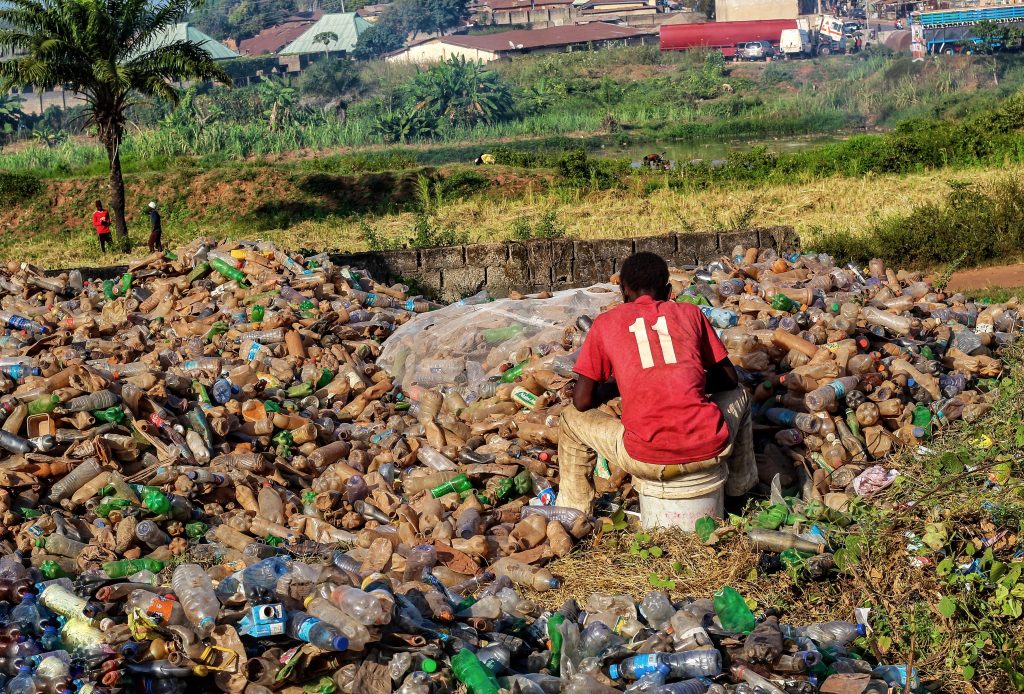
Tackling Single-Use Plastic Pollution in Nigeria: The Case for Stronger Legislation
Plastic Pollution Is No Longer Just a Waste Problem
Walk through any Nigerian city after a heavy rainfall and one sight is almost impossible to miss. Plastic bottles, shopping bags, food packs, sachet water nylons, and disposable containers clog drainage channels, litter streets, and end up in rivers and wetlands. What appears to be a waste management issue has become a much bigger environmental, public health, and economic challenge.
Single-use plastics (SUPs) are designed to be used once before being discarded. While they offer convenience, their environmental cost is enormous. Most persist in the environment for hundreds of years, breaking down into microplastics that contaminate soil, water, wildlife, and even the food we eat.
Since 2020, single-use plastic (SUP) pollution in Nigeria has shifted from a passive environmental concern to an acute ecological, infrastructure, and socioeconomic crisis. Driven by rapid urbanization, population growth, and a heavy reliance on packaged goods, the country generates an estimated 2.5 million tons of plastic waste annually. Food and beverage packaging primarily drinking water sachets and polyethylene terephthalate (PET) bottles comprises over 30% of this entire volume (UNEP 2023).
This growing crisis makes one thing increasingly clear. Voluntary behaviour change alone will not solve the problem. Nigeria needs stronger legislation backed by effective implementation.
Why Single-Use Plastics Are a Growing Crisis in Nigeria
Research highlighted by the United Nations Environment Program (UNEP) indicates that an astonishing 50 to 60 million water sachets are discarded daily onto streets and public spaces (UNEP 2023).
Several factors continue to drive the increasing use and improper disposal of single-use plastics across the country.
- Convenience and Low Cost: Plastic bags, sachet water packaging, takeaway containers, drinking straws, and disposable cutlery are inexpensive and widely available. For many businesses and consumers, they remain the cheapest packaging option despite their long-term environmental cost.
- Weak Waste Management Systems: Many communities lack efficient waste collection and recycling infrastructure. As a result, plastic waste is frequently dumped in open spaces, drains, rivers, and illegal dumpsites, where it contributes to flooding and environmental degradation.
- Flooding and Urban Pollution: Blocked drainage systems are a major contributor to urban flooding in many Nigerian cities. During the rainy season, improperly disposed plastics prevent stormwater from flowing freely, increasing the frequency and severity of flood events.
- Threats to Biodiversity and Human Health: Plastic waste pollutes rivers, forests, wetlands, and coastal ecosystems. Wildlife often mistake plastic for food or become entangled in discarded materials. Over time, plastics break down into microplastics that have been detected in water, food, and even human bodies, raising growing public health concerns.
Why Stronger Legislation Matters
Education and public awareness remain essential, but lasting change requires supportive policy.
Legislation creates clear standards for manufacturers, retailers, institutions, and consumers. It encourages innovation, promotes environmentally friendly alternatives, and ensures accountability throughout the plastic value chain.
While legislative bans can easily eliminate low-utility single-use plastics like Styrofoam takeaway containers, the National Environmental Standards and Regulations Enforcement Agency (NESREA) notes that “pure water” sachets present a complex humanitarian dilemma. Packaged water is not a luxury in Nigeria; it is a vital utility filling a massive public infrastructure gap. Therefore, transitioning from a reactive approach (banning waste) to a proactive approach (providing municipal water) cuts off plastic pollution at its consumption source.
To effectively tackle single-use plastic (SUP) pollution, the Nigerian legislature must transition from piecemeal bans to a comprehensive, legally binding framework that institutionalizes accountability, creates economic incentives, and mandates infrastructure development.
Nigeria has already taken important steps. In 2024, the Federal Government announced a phased ban on single-use plastics within Ministries, Departments, and Agencies as the first step toward broader national action. Several states, including Lagos, have introduced restrictions on selected single-use plastic products as part of broader environmental reforms. Meanwhile, states such as Ekiti are advancing discussions on legislative measures to regulate and phase out single-use plastics, reflecting a growing commitment to tackling plastic pollution at the sub-national level.
These developments demonstrate growing political commitment. However, achieving meaningful impact will require stronger enforcement, state-level implementation, investment in alternatives, and continuous public engagement.
Lessons from Other African Countries
Several African countries have shown that strong legislation can significantly reduce plastic pollution when combined with effective enforcement and public participation.
Rwanda
Rwanda introduced one of the world’s most successful plastic bag bans in 2008. Today, Kigali is widely recognised as one of Africa’s cleanest cities due to consistent enforcement, public awareness, and investment in sustainable alternatives.
Kenya
Kenya implemented one of the world’s strictest plastic bag bans in 2017 and later expanded restrictions to protected areas such as national parks and beaches. Although implementation required adjustment by businesses and consumers, the policy has contributed to cleaner public spaces and reduced plastic litter.
These experiences demonstrate that legislation alone is not enough. Success depends on political will, stakeholder engagement, public education, and practical alternatives for businesses and consumers.
TGED Perspective: Advancing the Campaign for a Plastic-Free Future
At Triple Green Environmental Development (TGED) Foundation, we believe policy change must be supported by community action.
Through our ongoing campaign for the ban of single-use plastics in Ekiti State, we have continued to engage policymakers, government agencies, civil society organisations, private sector actors, and community leaders on the urgent need for legislative action.
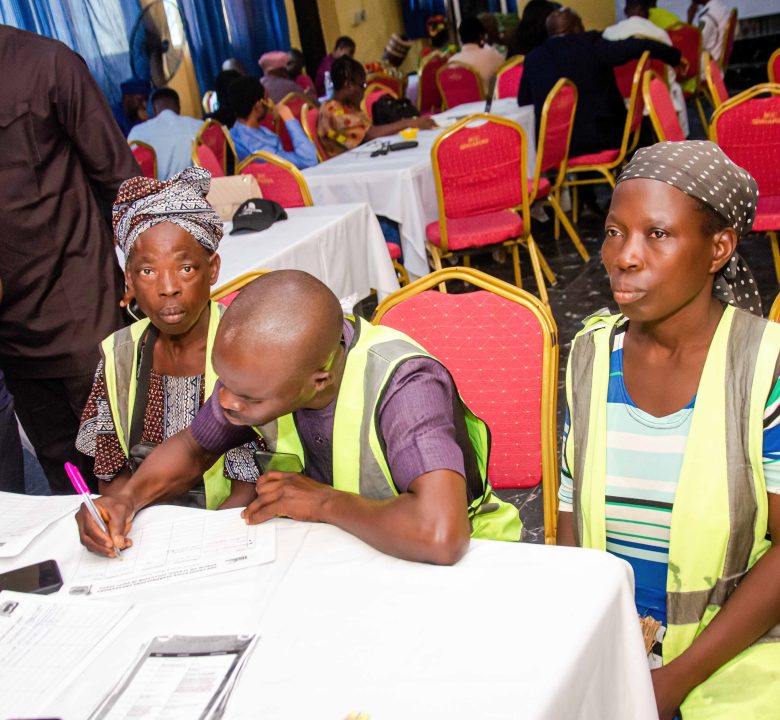
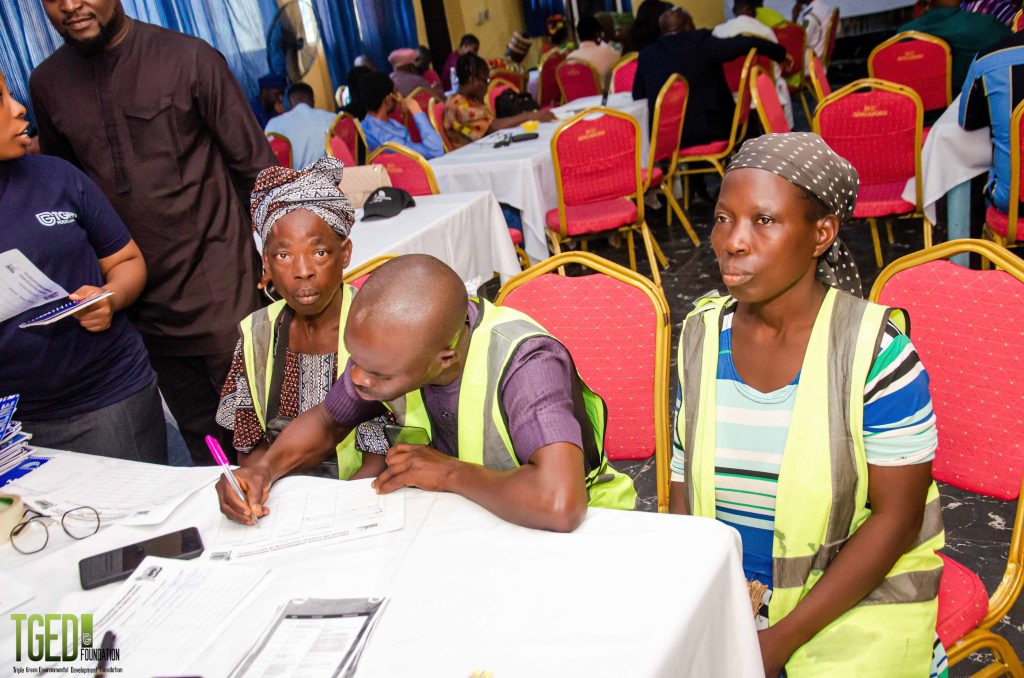
Our Pre-Legislative Stakeholders’ Forum created an important platform for dialogue on the environmental, economic, and public health impacts of single-use plastics while generating recommendations that can strengthen future state legislation.
Beyond policy advocacy, TGED continues to promote environmental education and public awareness because lasting behaviour change is essential for successful implementation.
Conclusion
Nigeria’s plastic pollution crisis is no longer simply an environmental concern. It affects public health, biodiversity, urban infrastructure, livelihoods, and climate resilience.
While education and individual responsibility remain important, stronger legislation provides the framework needed to accelerate lasting change. Effective policies, supported by enforcement, stakeholder collaboration, and public awareness, can significantly reduce plastic pollution while encouraging innovation and sustainable alternatives.
As Nigeria continues its transition toward a greener economy, tackling single-use plastics must remain a national priority. Together, governments, businesses, civil society organisations, and communities can build a cleaner, healthier, and more resilient future.
References
Federal Ministry of Environment. (2024). Federal Government announces phased ban on single-use plastics in Ministries, Departments and Agencies. Abuja, Nigeria.
Organisation for Economic Co-operation and Development (OECD). (2022). Global Plastics Outlook: Economic Drivers, Environmental Impacts and Policy Options. OECD Publishing. https://doi.org/10.1787/de747aef-en
Reuters. (2024, June 26). Nigeria to ban single-use plastics in government offices from 2025. https://www.reuters.com/world/africa/nigeria-ban-single-use-plastics-next-year-2024-06-26/
United Nations Environment Programme (UNEP). (2023). Turning Off the Tap: How the World Can End Plastic Pollution and Create a Circular Economy. Nairobi, Kenya: UNEP. https://www.unep.org/resources/turning-off-tap-end-plastic-pollution-create-circular-economy
United Nations Environment Programme (UNEP). (2023). Single-use plastics: A roadmap for sustainability (2nd ed.). Nairobi, Kenya: UNEP. https://www.unep.org/resources/report/single-use-plastics-roadmap-sustainability
World Bank. (2024). Towards a Circular Economy for Plastics in Nigeria: Challenges and Opportunities. Washington, DC: World Bank. https://documents.worldbank.org/
World Wildlife Fund (WWF). (2020). Solving Plastic Pollution Through Accountability. Gland, Switzerland: WWF International. https://wwfint.awsassets.panda.org/downloads/solving_plastic_pollution_through_accountability.pdf