
Our September 2026 Newsletter is here!
October 7, 2026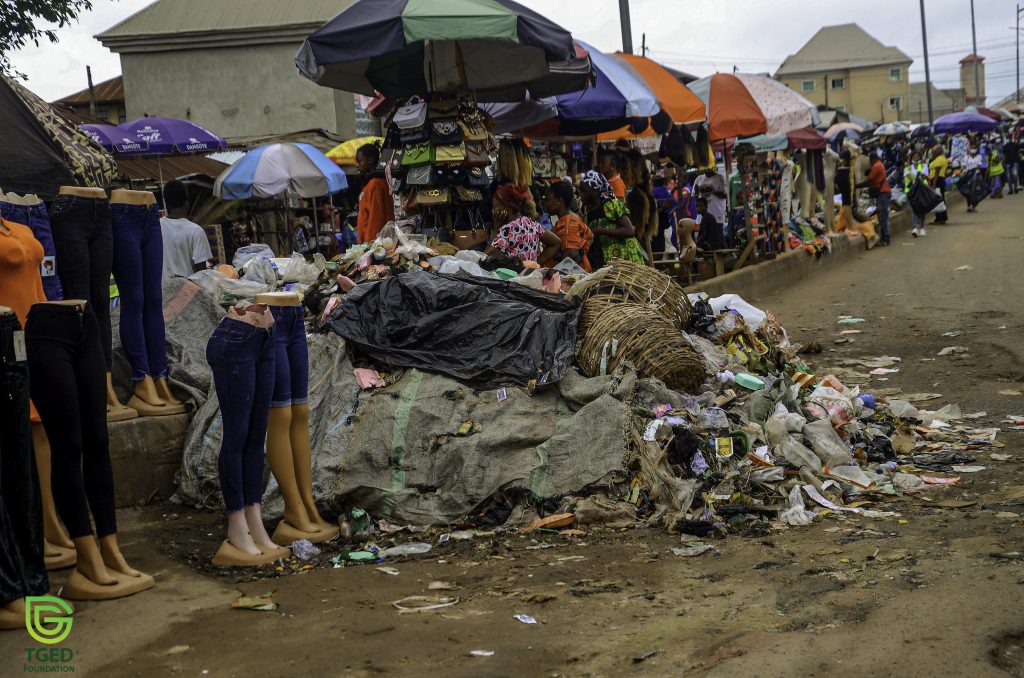
NIGERIA HAS WASTE POLICIES, WHY IS WASTE STILL A GROWING PROBLEM?
Waste has become one of Nigeria’s most visible environmental challenges, from overflowing sites and blocked drainage systems to plastic-filled waterways and open burning of refuse. Nigeria generates roughly 32 million tonnes of solid waste annually, with less than 30% formally collected, leading to severe public health, environmental crises and what makes this issue even more concerning is that Nigeria is not lacking in policies or regulations. The country has developed several environmental laws and waste management policies aimed at promoting cleaner and healthier communities (FME, 2020; NESREA, 2026).
What are the waste policies?
According to the World Health Organization (WHO), waste policies and frameworks focus on a coordinated, multisectoral response to protect public health and the environment from the risks of improper waste disposal (WHO 2024).
Why does waste remain a growing problem?
In the past 30 years, Nigeria’s major cities have been rapidly urbanizing, attracting hordes of people in search of a better life. According to the World Bank, the population of Lagos grows by 77 people every hour, which is a significant increase by any metric. A similar population growth pattern is also seen in other major cities like Abuja, Ibadan, and Port Harcourt. As a result, there has been a significant increase in the volume of waste generated, which has put city authorities under immense pressure to develop more efficient solid waste management systems, especially in low-income neighbourhoods. NEMA warns that when environmental laws are poorly enforced, it encourages indiscriminate waste disposal. This leads to plastic and non-biodegradable trash blocking municipal drainage systems. During heavy downpours, these clogged drains prevent the free flow of rainwater, triggering severe, human-induced flash floods that cost lives and billions in economic damages across major cities like Lagos and Calabar.
Nigeria has the policies
Nigeria has established various policies and regulations to address waste management. These include the National Policy on Solid Waste Management, the National Policy on Plastic Waste Management, the National Environmental (Sanitation and Wastes Control) Regulations, 2009, and the National Policy on the Environment. These frameworks promote proper waste collection, recycling, pollution prevention, public awareness, and sustainable waste management practices (FME, 2020; NESREA, 2026). The National Environmental Standards and Regulations Enforcement Agency (NESREA) is responsible for enforcing many of these environmental regulations and ensuring compliance across sectors (NESREA, 2026).
Why the problem persists
Despite these policies, implementation remains one of Nigeria’s greatest challenges.
- Weak Enforcement is one of the existing problems, athough the country has developed several laws aimed at promoting proper waste disposal and protecting the environment, many of these regulations are not consistently implemented. As a result, illegal dumping of refuse in drains, rivers, vacant lands, and roadsides remains common. Open burning of waste, which releases harmful pollutants into the atmosphere and contributes to climate change and respiratory illnesses, also continues despite being prohibited in many areas. In many communities, individuals, businesses, and even some institutions dispose of waste indiscriminately with little or no fear of punishment. Many environmental laws are not consistently enforced and indiscriminate disposal of waste often occur with little or no consequences and without effective monitoring, penalties, and regulations lose their impact (NESREA, 2026).
- Poor Waste Collection services are either inadequate, irregular, or completely unavailable. This is particularly common in rural areas and low-income urban settlements, where residents often have no access to formal waste collection systems. Consequently, many people resort to disposing of waste in drainage channels, vacant plots, rivers, roadsides, or by openly burning it. These practices contribute to environmental pollution, blocked drainage systems, flooding, the spread of diseases, and the degradation of ecosystems. The National Policy on the Environment estimates that only about 30–50% of the waste generated in Nigeria is collected, leaving a significant proportion unmanaged (FRN, 2016).
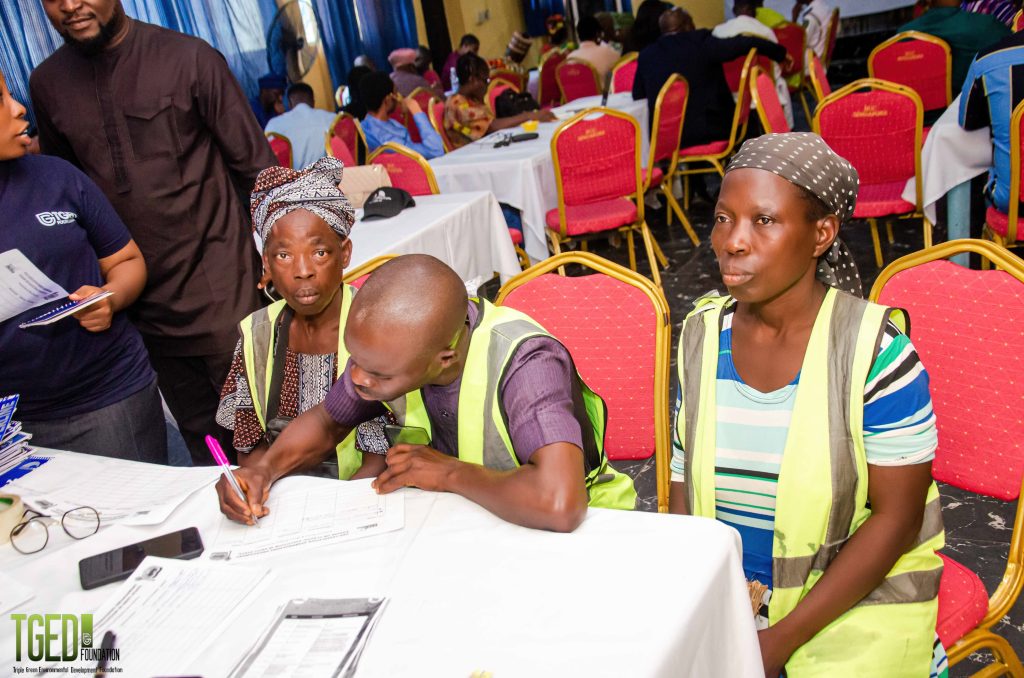
- Another challenge is the heavy reliance on informal waste pickers to recover recyclable materials from open dumpsites and streets. While waste pickers help reduce the amount of waste that ends up in landfills, they often work under unsafe and unhealthy conditions. Most lack protective equipment such as gloves, boots, and face masks, exposing them to sharp objects, toxic substances, infectious waste, and hazardous fumes because they operate informally, they receive little government support, have unstable incomes, and are rarely integrated into official waste management systems. The lack of recognition, regulation, and investment in this sector limits the country’s recycling potential and highlights the weaknesses of Nigeria’s waste management system.
- Rapid Urbanization is another challenges because Nigeria is experiencing rapid urbanization, with its population continuing to grow as more people migrate from rural areas to cities in search of employment, education, and better living conditions. This population growth has led to a significant increase in the amount of municipal solid waste generated each day. However, waste management infrastructure and services have not expanded at the same pace as urban development. As a result, many cities struggle to collect, transport, treat, and safely dispose of the increasing volumes of waste (FRN, 2016).
- Limited Public Awareness also remains a major barrier to effective waste management in Nigeria. Although environmental policies and regulations exist, they cannot achieve their intended goals without active participation and cooperation from citizens. In many communities, people lack adequate knowledge about proper waste disposal methods, the importance of waste reduction, and the environmental and health consequences of improper waste handling. As a result, practices such as indiscriminate dumping, open burning, and disposal of waste into drainage systems continue to occur. Waste segregation at the household and community levels is also uncommon, making recycling and proper waste treatment more difficult. Many residents dispose of organic waste, plastics, metals, and other materials together, reducing the possibility of recovering valuable recyclable materials.
The way forward
Nigeria’s challenge is no longer creating policies, it is making them work:
- Strengthen Enforcement of Environmental Laws: Government agencies should consistently enforce environmental laws by conducting regular inspections, monitoring waste disposal activities, and imposing appropriate penalties on individuals and organizations that violate waste management regulations. Strong enforcement will discourage illegal dumping and open burning while encouraging compliance with environmental standards.
- Improve Waste Collection Services: Federal, state, and local governments should invest in efficient waste collection systems by providing more waste bins, collection vehicles, and disposal facilities. Waste collection should be regular and extended to rural communities and low-income urban areas to reduce indiscriminate dumping and improve environmental sanitation.
- Integrate and Support Informal Waste Pickers: Waste pickers should be recognized as important contributors to recycling and formally integrated into the national waste management system. Governments and private organizations should provide them with protective equipment, training, fair wages, and access to recycling facilities to improve their safety, productivity, and livelihoods.
- Invest in Sustainable Urban Waste Management: As cities continue to grow, governments should expand waste management infrastructure by constructing additional recycling plants, sanitary landfills, transfer stations, and composting facilities. Urban planning should also include effective waste management strategies to accommodate increasing population growth and waste generation
- Increase Public Awareness and Environmental Education: Governments, schools, non-governmental organizations (NGOs), community leaders, and the media should educate the public on proper waste disposal, waste segregation, recycling, and the environmental and health impacts of poor waste management. Continuous awareness campaigns will encourage positive behavioural change and increase public participation in maintaining a clean and healthy environment.
Communities also have an important role to play:
- Proper waste segregation
- Reponsible disposal
- Participation in recycling initiatives
- Environmental stewardship can support government efforts and create cleaner, healthier environments.
The role of Non-governmental organizations (NGOs):
NGO play a crucial role in encouraging citizens to actively participate in environmental clean-up efforts and beyond organizing one-day sanitation exercises, NGOs can create awareness about the health, social, and environmental consequences of poor waste disposal. Through community engagement, public education campaigns, school outreach programmes, volunteer mobilization, and partnerships with government agencies, they inspire individuals to take responsibility for keeping their surroundings clean. NGOs also demonstrate that environmental protection is a shared responsibility rather than a task left solely to government authorities (TGED Foundation, 2026).
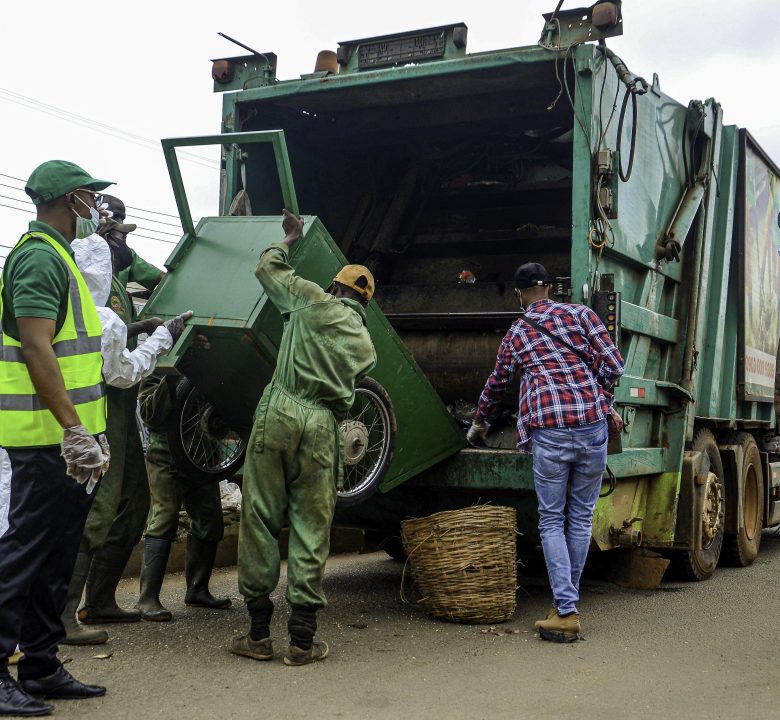
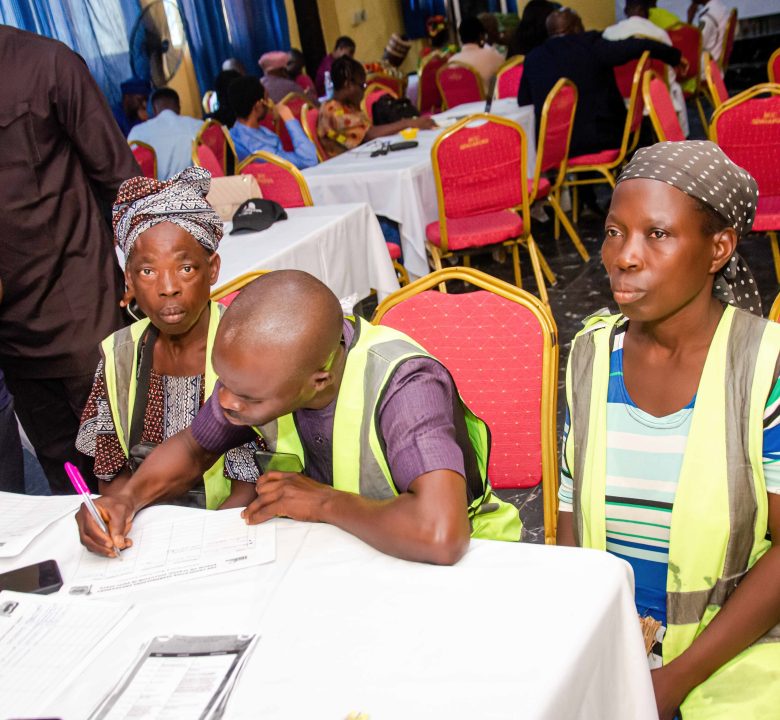
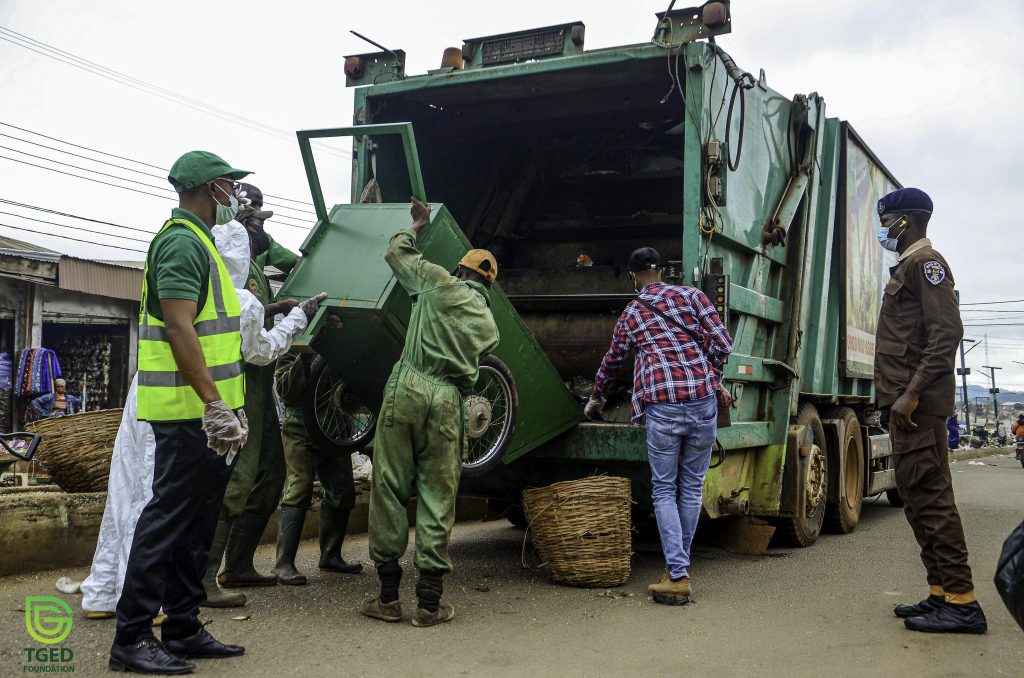
A practical example is the Triple Green Environmental Development (TGED) Foundation, an environmental nonprofit committed to promoting community-led climate action and environmental sustainability across Nigeria. As part of its efforts to encourage citizen participation, TGED Foundation collaborated with the Ekiti State Waste Management Agency to commemorate World Cleanup Day on September 19, 2026. The event featured a public awareness walk, environmental sensitization, and a community clean-up exercise involving volunteers, corps members, waste management officials, market traders, and residents. Through direct engagement with community members, the Foundation emphasized that maintaining a clean environment requires collective action and responsible waste management practices (TGED Foundation, 2026).
In addition, TGED views waste governance as a shared responsibility that requires collaboration between the government, communities, schools, NGOs, and individuals. The organization believes that effective waste management goes beyond enforcing policies by promoting environmental education, community participation, and sustainable practices. Through its Waste-to-Wealth initiative, TGED encourages people to see waste as a valuable resource that can be recycled or repurposed, creating both environmental and economic benefits.
These initiatives go beyond removing litter from the environment. They educate communities, encourage behavioural change, strengthen partnerships between citizens and government institutions, and inspire long-term environmental stewardship. When people actively participate in clean-up campaigns, they are more likely to adopt proper waste disposal habits and encourage others to do the same, creating a ripple effect that supports sustainable environmental management.
Conclusion
Nigeria already possesses the legal and policy framework needed to improve waste management. However, policies without effective implementation produce limited results. Addressing weak enforcement, inadequate infrastructure, insufficient funding, and low public awareness is essential if Nigeria is to overcome its growing waste crisis. The country’s future depends not only on good policies but also on the commitment of government, businesses, and citizens to turn those policies into everyday action.
References
- Federal Ministry of Environment. (2020). National Policy on Solid Waste Management. Abuja, Nigeria.
- Federal Republic of Nigeria. (2016). National Policy on the Environment. Federal Ministry of Environment.
- National Environmental Standards and Regulations Enforcement Agency (NESREA). (2026). Laws and Regulations. https://nesrea.gov.ng/laws-regulations.
- National Environmental Standards and Regulations Enforcement Agency (NESREA). (2026). Policies and Guidelines. https://nesrea.gov.ng/policies-guidelines.
- The policy details and regulatory descriptions are based on official Nigerian government environmental documents and NESREA publications.
- Triple Green Environmental Development Foundation (TGED Foundation). (2026, September 19). World Cleanup Day 2026: TGED Foundation and the Ekiti State Waste Management Agency commemorate World Cleanup Day through awareness walk and community clean-up activities. https://tgedfoundation.org.
Written by Godwin Esther