
MAY 2026 NEWSLETTER
June 5, 2026
Vertical Gardening in Nigeria: Low-Cost Models for Schools & Homes
July 1, 2026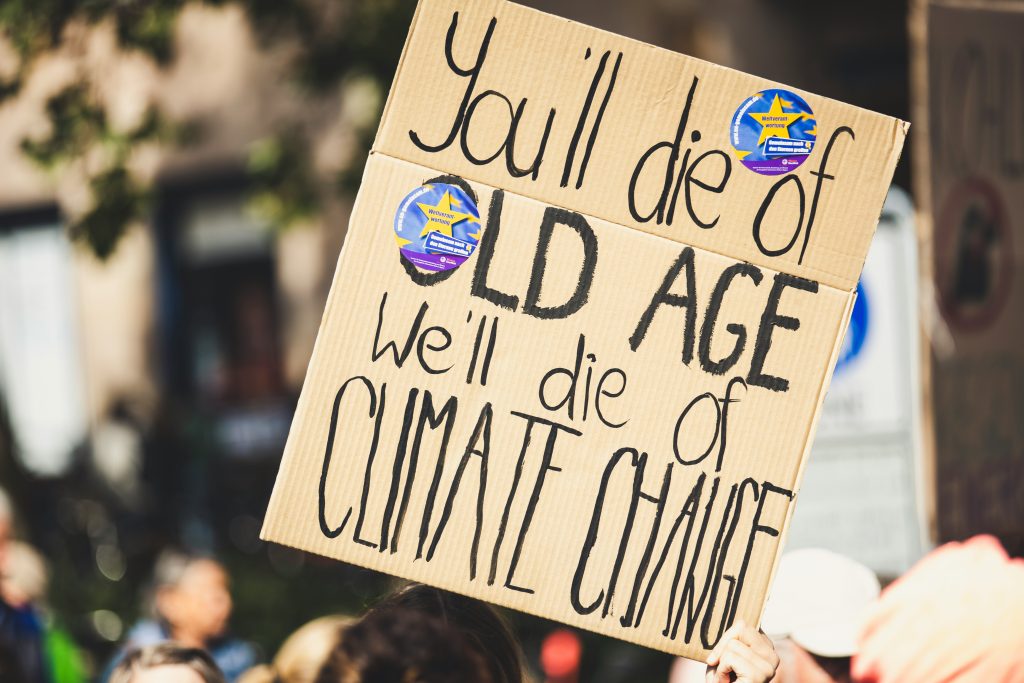
The Role of Youth in Climate Resilience: insight from TGED program
Climate change is reshaping communities across Nigeria. Rising temperatures, flooding, environmental degradation, and increasing pressure on livelihoods are affecting millions of people, with young people among the most impacted.
Yet youth are not only vulnerable to climate change; they are also uniquely positioned to drive solutions. Their energy, creativity, and ability to mobilize communities make them critical actors in building climate resilience.
As Nigeria seeks sustainable pathways toward environmental protection and community development, investing in young people must remain a priority.
Understanding Youth and Climate Resilience
Climate resilience is capacity of individuals and communities to prepare for, adapt to, and recover from climate-related challenges.
For young people, resilience goes beyond understanding climate issues. It includes developing the knowledge, skills, and leadership capacity needed to contribute to sustainable solutions.
Across Nigeria, youth are already taking action through:
- Environmental awareness campaigns
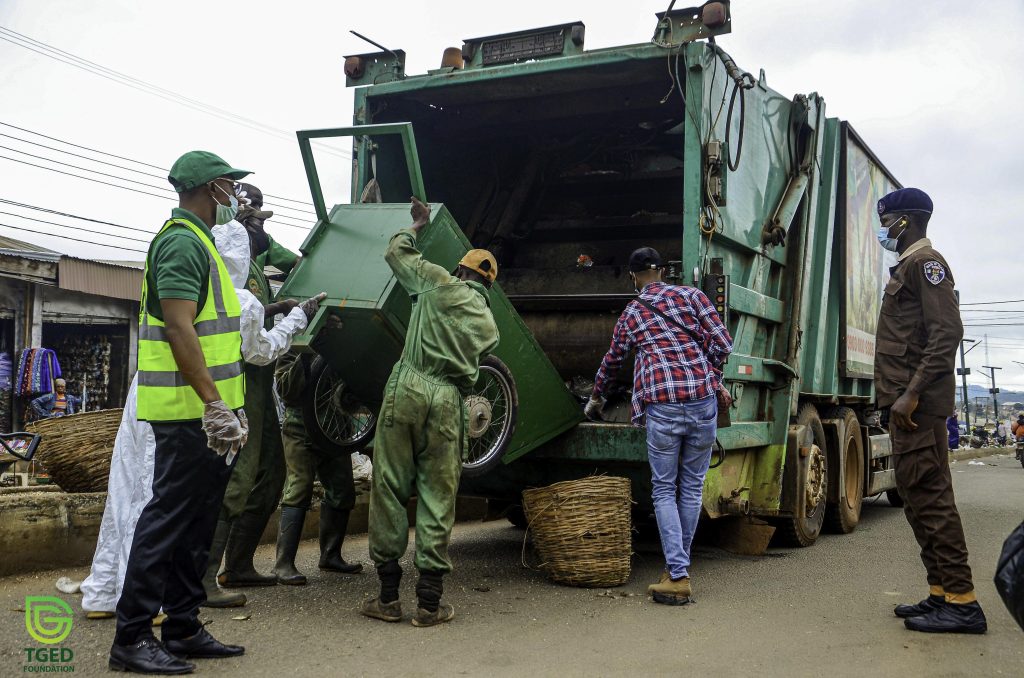
- Community clean-up exercises
- Tree planting initiatives
- Sustainable agriculture projects
- Climate advocacy and education
- Green entrepreneurship
These efforts demonstrate that young people are not waiting for change—they are actively creating it.
Why Youth Engagement Matters
Young people represent a significant proportion of Nigeria’s population. According to the National Population Commission (NPC), over 60% of Nigeria’s population is under the age of 30, making the country one of the most youthful nations in the world.
This demographic reality presents both an opportunity and a responsibility. As the generation that will inherit the long-term consequences of climate change, young people have a critical role to play in driving environmental sustainability, climate resilience, and community-based solutions. Their active participation in climate action is therefore essential for building a more sustainable and resilient future for Nigeria.
When youth are empowered, communities benefit from:
- Increased environmental awareness
- Greater community participation
- Innovative climate solutions
- Stronger local leadership
- Improved adoption of sustainable practices
Climate resilience is strongest when communities are equipped with informed and engaged citizens who understand both the challenges they face and the actions required to address them.
Creating Platforms for Climate Action
One of the biggest barriers to youth participation is the lack of accessible platforms for engagement. Many young people are willing to contribute to environmental solutions but lack opportunities to develop practical skills and apply their knowledge within their communities.
This is why initiatives that combine education, leadership, and community participation are increasingly important. Through programs such as Kick for Planet, an initiative that combines sports, environmental awareness and climate actions to raise awareness around climate crisis or the Foundation’s Eco Saver School Project (ESSP) an initiative that strengthen school based environmental education and youth engagement in sustainability, organization like Triple Green Environmental Development (TGED) Foundation is creating opportunities for young people to engage meaningfully and in a very relatable way with climate issues. This further demonstrates that climate awareness can be integrated into everyday activities that resonate with young people.
Building the Next Generation of Climate Leaders
Effective climate action requires leadership at every level.
Young people who are exposed to environmental education and community engagement opportunities are more likely to become advocates for sustainability within their schools, families, and communities.
To strengthen climate resilience, youth need access to:
- Environmental education
- Leadership development opportunities
- Mentorship and capacity building
- Community engagement platforms
- Support for climate innovation and entrepreneurship
These investments help transform awareness into action and action into lasting impact.
Challenges That Must Be Addressed
Despite growing interest in climate action, many young people continue to face barriers that limit their participation.
These include:
- Limited access to climate education
- Inadequate funding for youth-led initiatives
- Insufficient opportunities for meaningful engagement
- Limited representation in environmental decision-making processes
- Weak support systems for youth innovation
Addressing these challenges requires collaboration among governments, civil society organizations, educational institutions, and development partners.
Conclusion
Young people are essential to building climate-resilient communities in Nigeria. Through environmental education, leadership development, and community engagement, they can become powerful agents of change. Initiatives such as Kick for Planet and the Eco Saver School Project (ESSP) by TGED Foundation are helping to equip young people with the knowledge and opportunities needed to contribute to a more sustainable future.
Written by Funmilayo Olamide
REFERENCES
Intergovernmental Panel on Climate Change (IPCC). (2023). Climate Change 2023: Synthesis Report. https://www.ipcc.ch/report/ar6/syr/
National Population Commission (NPC). (2023). Nigeria Population and Demographic Data. https://nationalpopulation.gov.ng/
United Nations Development Programme (UNDP). (2023). Youth and Climate Action. https://www.undp.org/
United Nations Environment Programme (UNEP). (2023). Engaging Youth in Climate Action. https://www.unep.org/