
Our July/August 2026 Newsletter is here!
September 7, 2026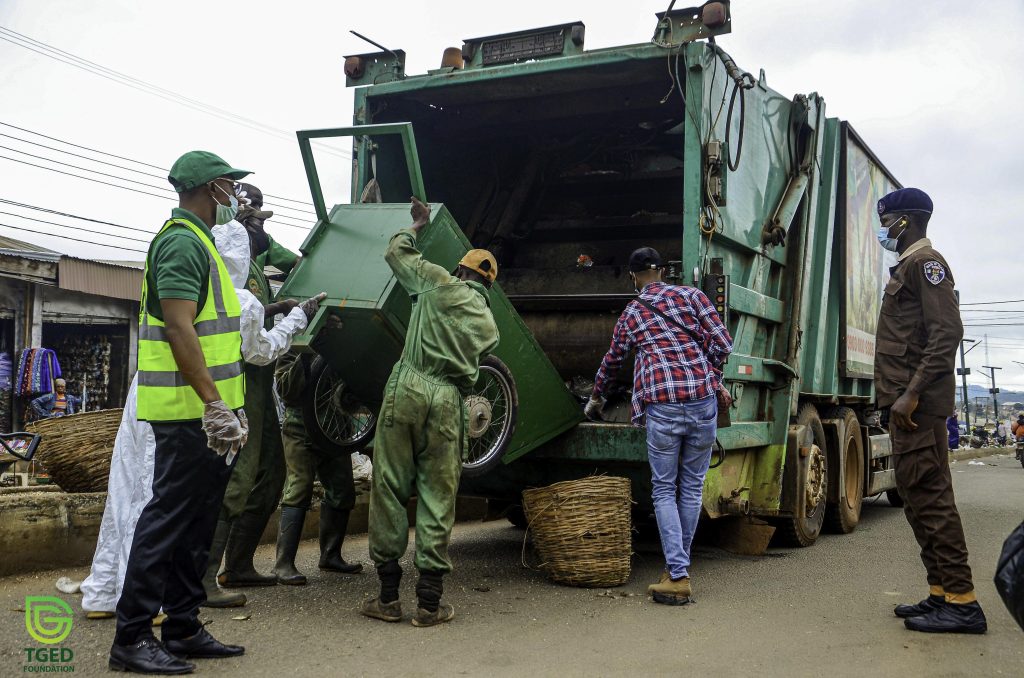
TURNING COMMUNITY CLEAN-UP INTO A LASTING ACTION
A clean community is more than an attractive place to live; it is essential for public health, environmental sustainability, and social well-being. Communities with proper waste management and regular clean-up efforts experience fewer environmental hazards, reduced disease risks, and an improved quality of life. However, while many communities organize periodic clean-up exercises, the impact is often short-lived because waste continues to accumulate when sustainable habits and systems are absent (WHO 2024).
WHO ARE THE COMMUNITY MEMBERS?
A community member refers to an individual who belongs to a social group characterized by shared characteristics, values, and culture.
THE REALITY OF COMMUNITY CLEAN-UP EFFORTS: One-Day Events vs. Long-Term Impact
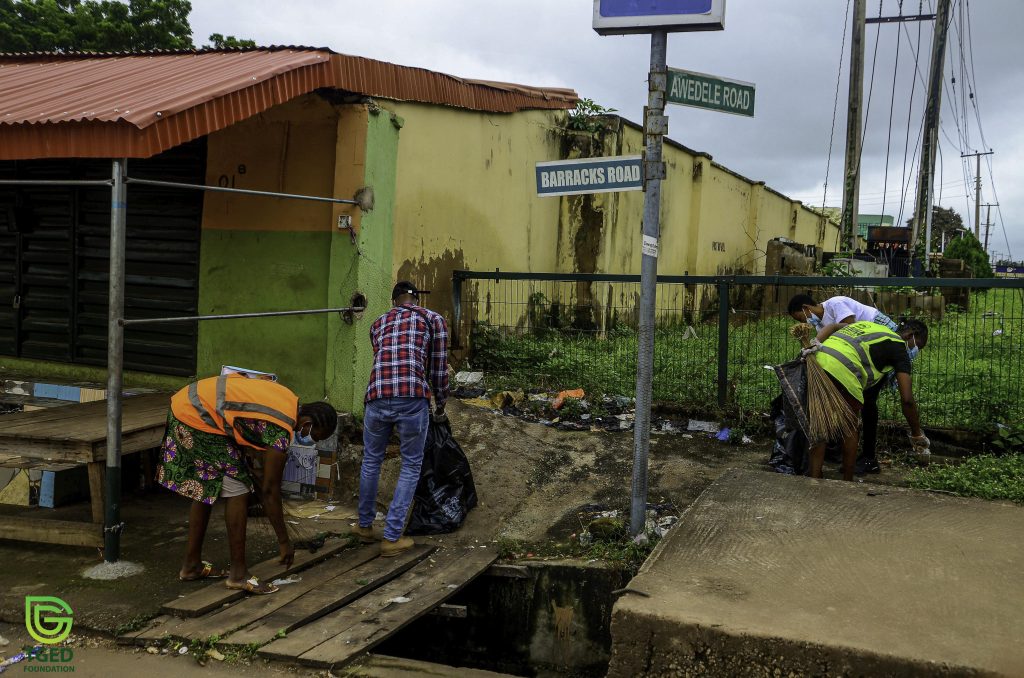
Community clean-up campaigns have become a popular strategy for addressing environmental pollution in many towns and cities. Governments, non-governmental organizations (NGOs), schools, religious groups, and volunteers frequently organize clean-up exercises to remove litter from streets, markets, drainage channels, beaches, and public spaces (UN 2025).
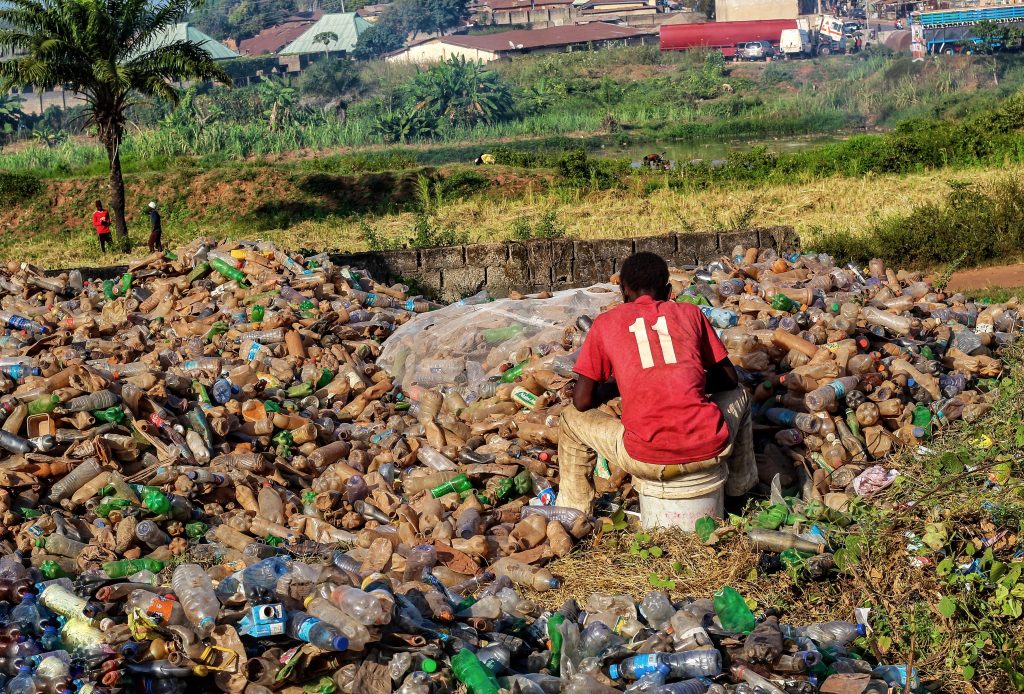
It is common for a community that was cleaned over the weekend to become littered again within days due to persistent indiscriminate waste disposal, inadequate waste collection services, and poor environmental practices. This demonstrates that while clean-up exercises address the symptoms of pollution, they often do not solve its underlying causes.
Long-term environmental improvement requires a shift from periodic clean-up events to sustainable waste management systems and behavioural change. The United Nations emphasizes that World Cleanup Day is not merely about collecting waste but about inspiring communities to adopt responsible waste management practices, strengthen partnerships, and promote sustainable resource use. Similarly, research suggests that regular community engagement, environmental education, and collaboration among residents, schools, businesses, NGOs, and government agencies create a stronger sense of ownership and responsibility, making environmental improvements more sustainable.
WHY WE MUST TURN COMMUNITY CLEAN UP INTO A LASTING ACTION
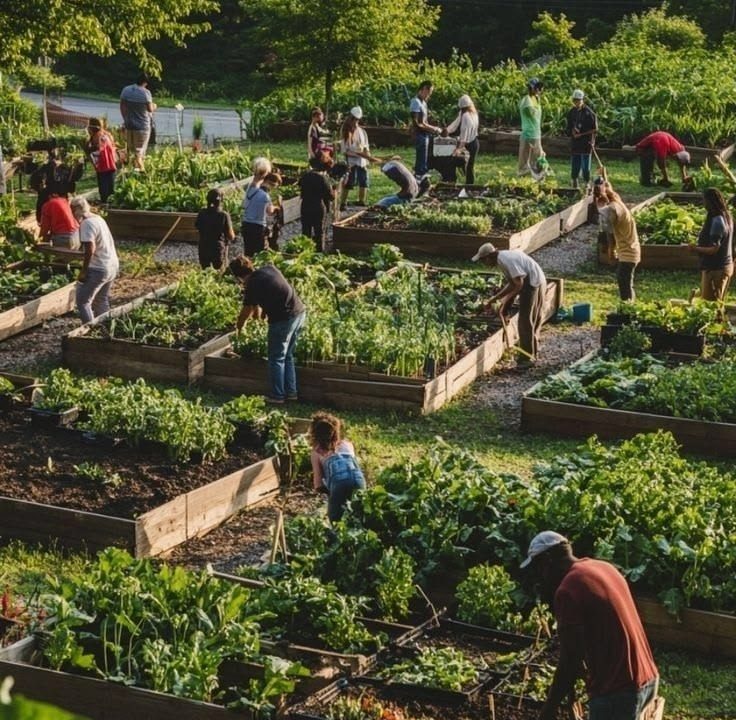
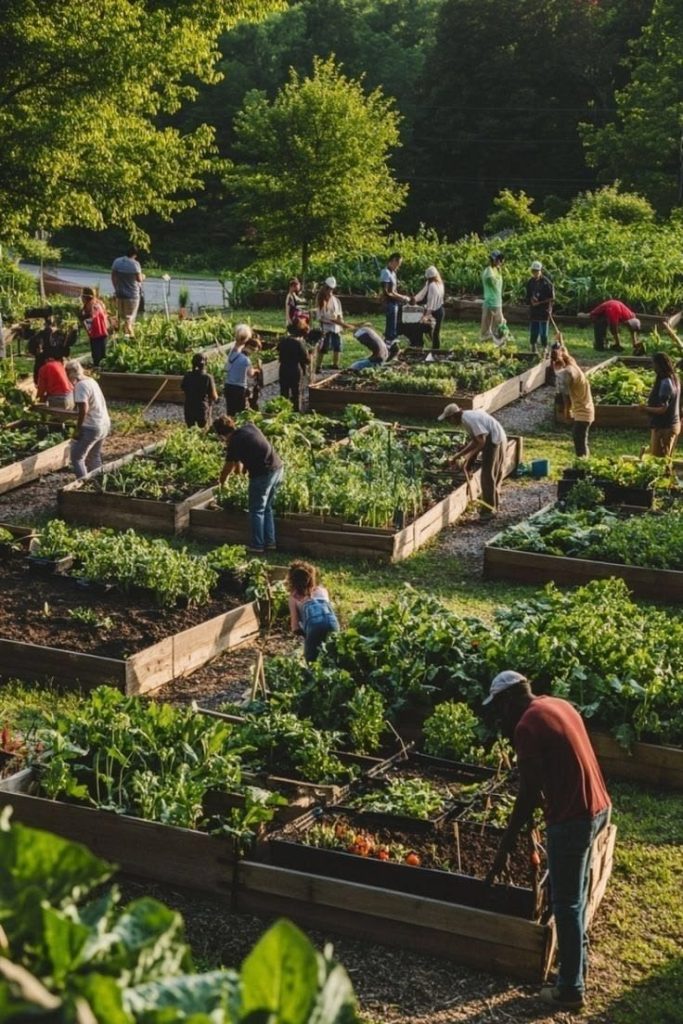
The action must be taken because according to the World Health Organization (2025), poor solid waste management poses significant risks to human health. We must set up community clean-up initiatives that provide an opportunity for residents to work together toward a common goal. Beyond removing litter, these activities foster environmental awareness, strengthen social bonds, and encourage a sense of shared responsibility for public spaces which is more sustainable.
HOW TO TURN COMMUNITY CLEAN-UP INTO LASTING ACTION
Lasting environmental change cannot be achieved through occasional clean-up exercises alone. Sustainable progress requires:
1. Continuous environmental education
2. Responsible waste disposal habits
3. Supportive policies
4. Youth and School Engagement
5. Promoting Waste Reduction, Reuse, and Recycling
6. Active collaboration among residents, local authorities, schools, and organizations.
Transforming community clean-up from a one-time event into a lasting culture is essential for building healthier, cleaner, and more resilient communities (WHO, 2024; UNEP, 2024).
THE ROLES OF INDIVIDUALS IN TURNING COMMUNITY CLEAN-UP INTO A LASTING ACTION
Creating cleaner and healthier communities is not solely the responsibility of governments, environmental organizations, or community leaders. Every individual has a significant role to play in protecting the environment through simple, consistent actions.
1. Proper waste disposal: this is one of the simplest ways individuals can contribute by throwing litter into designated bins, avoiding illegal dumping, and separating recyclable materials from general waste help reduce environmental pollution and make waste management more efficient. According to the World Health Organization, proper waste disposal minimizes health risks by preventing the spread of disease, reducing environmental contamination, and protecting water sources (WHO 2025)
2. Principles of the 3 Rs: Individuals can also reduce the amount of waste they generate by embracing the principles of the 3 Rs.
a) Reduce
b) Reuse
c) Recycle
Choosing reusable shopping bags, water bottles, and food containers instead of single-use plastics helps decrease plastic pollution. Repairing or donating usable items rather than discarding them also conserves resources and reduces the burden on landfills (UNEP, 2024).
3. Individuals can promote environmental awareness within their families, neighbourhoods, schools, and workplaces encouraging them to participate in community clean-up activities, educating children about responsible waste disposal, and encouraging friends and neighbours to adopt environmentally friendly practices contribute to building a culture of environmental stewardship.
4. Positive behaviour often inspires others to follow, creating a ripple effect throughout the community. Individuals can support environmental sustainability by reporting illegal dumping sites, volunteering with environmental organizations, planting trees, and advocating for policies that improve waste management systems.
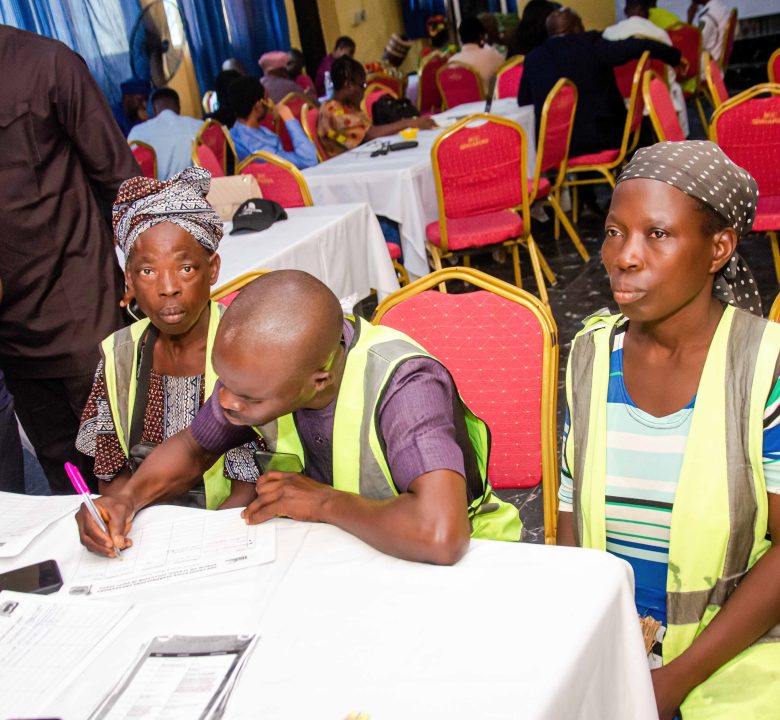
Through awareness campaigns held in local markets, schools, and informal settlements, TGED Foundation has reached thousands of community members with practical information on climate action, responsible waste management, sustainable living, and environmental justice. These outreach programmes encourage residents to see environmental cleanliness not as a one-day activity but as a shared responsibility that requires continuous commitment.
REFERENCE
- World Health Organization. (2024). Compendium of WHO and other UN guidance in health and environment (2024 update).
- World Health Organization. (2025). Throwing away our health: The impact of solid waste on human health – Evidence, knowledge gaps, and health sector responses.
- United Nations Environment Programme. (2024). Why does environment, health and pollution matter?
- United Nations. (2025). World Cleanup Day. https://www.un.org/en/observances/cleanup-day
- Earthday.org. (2024). Our favorite cleanups from this year’s World Cleanup Day.
- Let’s Do It World. (2024). About World Cleanup Day.
- Let’s Do It World. (2023). *World Cleanup Day 2023 – Celebrating successes”
Written by Esther Godwin