
WHY GRASSROOTS VOICES MUST SHAPE NIGERIA’S CLIMATE POLICIES
August 12, 2026
Our July/August 2026 Newsletter is here!
September 7, 2026
From Land to Livelihood: How Community-Owned Conservation Can Restore Biodiversity and Strengthen Food Security
When forests disappear, people don’t just lose trees; they lose food, income, medicine, and protection from climate disasters. Conservation is often viewed as the protection of forests, wildlife, and natural landscapes. However, its purpose extends far beyond saving endangered species or preserving beautiful ecosystems. At its core, conservation is also about protecting the people whose lives depend on nature every day. Healthy forests provide food, clean water, medicine, and income for millions of families. Rivers support fishing communities, while fertile land sustains farming and livestock.
What is Community-Owned Conservation?
Community-owned conservation is the protection of our environment in which local communities take the lead in managing, protecting, and sustaining, and using natural resources such as forests, rivers, wetlands, and wildlife. Community-owned conservation gives local people greater authority to make decisions, develop conservation rules, monitor natural resources, and share the benefits generated from sustainable practices such as ecotourism, sustainable agriculture, or forest management (IUCN and UNDP 2019).
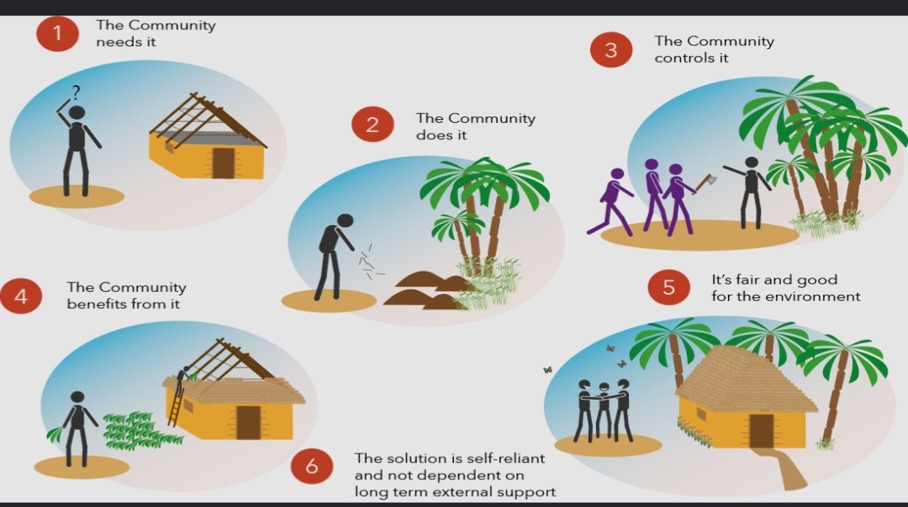
Photocredit: Cobra Collective News
The Biodiversity Crisis
The world is experiencing an unprecedented biodiversity crisis, driven largely by human activities such as:
Deforestation: This is one of the leading causes of biodiversity loss. Forests are cleared for agriculture, urban expansion, mining, and infrastructure development, destroying habitats for countless species. As forests disappear, many animals lose their homes, while important ecosystem services such as carbon storage, soil protection, and water regulation are reduced. (United Nations, 2026).
Overfishing: This further contributes to the biodiversity crisis by depleting fish populations faster than they can naturally recover. Unsustainable fishing practices not only threaten marine species but also damage coral reefs, mangroves, and other coastal ecosystems that provide breeding grounds for fish. This decline affects the food security and incomes of millions of people who depend on fisheries for their livelihoods (FAO, 2019).
Unsustainable farming: This practices, includes excessive pesticide use, monocropping, and intensive land cultivation, also reduce biodiversity. These practices degrade soil health, destroy natural habitats, and eliminate beneficial organisms such as earthworms, insects, and microorganisms that maintain fertile soils and healthy ecosystems. Climate change intensifies these pressures by altering rainfall patterns, increasing temperatures, and causing more frequent droughts, floods, and wildfires, making it difficult for many species to adapt (IPCC, 2022).
Decline of pollinators: This is one of the most concerning consequences of biodiversity, it includes bees, butterflies, birds, and bats. Pollinators are essential for the reproduction of many flowering plants and more than 70% of global food crops benefit from animal pollination. Habitat degradation, pesticide use, and climate change are causing pollinator populations to decline, threatening agricultural productivity, food security, and ecosystem resilience (FAO, 2020).
How Community-Owned Conservation Restores Both Nature and Livelihoods
Community-owned conservation is an approach that places local communities at the center of protecting and managing natural resources. Instead of treating communities as threats to biodiversity, it recognizes them as partners whose traditional knowledge, cultural values, and daily interactions with nature make them effective environmental stewards. When communities have secure rights to manage forests, wetlands, fisheries, and wildlife, they are more likely to use these resources sustainably while improving their own livelihoods (FAO, 2025).
Community forestry is one of the key ways community-owned conservation restores biodiversity. Local people work together to protect forests from illegal logging, plant native tree species, prevent wildfires, and harvest forest products sustainably. These efforts restore wildlife habitats, improve soil fertility, increase carbon storage, and protect watersheds. At the same time, communities generate income from sustainably harvested timber, honey, medicinal plants, fruits, and other non-timber forest products, reducing pressure to exploit forests unsustainably (FAO, 2025).
In coastal and freshwater regions, community-managed fisheries help rebuild fish populations by establishing local fishing rules, protecting breeding grounds, restoring mangroves, and preventing overfishing. Healthy aquatic ecosystems support biodiversity while ensuring a sustainable supply of fish for food and income. For example, mangrove restoration projects in Nigeria have improved ecosystem resilience while creating alternative livelihood opportunities such as aquaculture, beekeeping, and fish processing for local communities (FAO, 2026).
Women and young people are essential to the success of community-owned conservation. Their involvement in decision making, environmental education, conservation projects, and sustainable businesses strengthens community ownership and ensures that conservation benefits are shared more equitably. Inclusive participation also increases the long-term sustainability of conservation initiatives by combining local knowledge with innovation and leadership (FAO, 2025).
Challenges Facing Community-Owned Conservation
Addressing these barriers is essential for ensuring that local communities can effectively manage natural resources and sustain conservation efforts over the long term.
1. Lack of funding: Many communities have the knowledge and willingness to conserve forests, wetlands, and fisheries but lack the financial resources to implement restoration projects, purchase equipment, monitor biodiversity, or develop sustainable livelihood initiatives.
2. Weak land and resource rights: In many countries, local and Indigenous communities do not have secure legal ownership or long-term rights to the land and natural resources they have traditionally managed. When communities fear losing access to their land or forests, they have little incentive to invest in long-term conservation.
3. Illegal logging and unsustainable resource extraction also threaten community conservation efforts. Even where communities actively protect forests, illegal loggers, poachers, and other unauthorized users often exploit natural resources because of weak law enforcement and limited capacity for local monitoring.
4. Poor government support further limits the success of community-owned conservation. In many cases, governments provide insufficient technical assistance, weak policy frameworks, inadequate enforcement of environmental laws, or limited investment in community-based initiatives. Poor coordination between government agencies and local communities can reduce trust and make conservation programs less effective.
5. Climate change presents an additional challenge by increasing the frequency of droughts, floods, wildfires, rising temperatures, and changing rainfall patterns. These environmental changes reduce agricultural productivity, degrade ecosystems, and make it more difficult for communities to restore biodiversity and maintain sustainable livelihoods.
6. Many communities face limited access to markets for sustainably produced goods such as honey, timber, non-timber forest products, fish, and ecotourism services. Poor infrastructure, lack of market information, and limited access to finance often prevent communities from earning fair incomes from conservation friendly enterprises. Without reliable economic incentives, some households may resort to unsustainable activities such as illegal logging or overexploitation of natural resources to meet their immediate needs.
Solutions to the Challenges of Community-Owned Conservation
The following strategies can strengthen conservation efforts while improving biodiversity and food security
1. Governments, international donors, and private-sector organizations should provide long-term funding for community conservation initiatives through grants, low-interest loans, and conservation trust funds. Communities should also be supported to access climate finance, carbon credit schemes, and payment for ecosystem services, enabling them to invest in restoration projects and sustainable livelihood enterprises.
2. Secure land tenure gives communities the confidence to invest in long-term conservation because they know they will benefit from protecting natural resources. Governments should recognize customary land ownership, clarify land boundaries, and establish legal frameworks that protect community rights while ensuring women and Indigenous peoples have equal access to land and decision-making.
3. Combating illegal logging requires stronger environmental laws, increased monitoring, and effective enforcement. Governments should work with local communities by providing training, equipment, and legal authority to monitor forests, report illegal activities, and participate in forest management. Partnerships with law enforcement agencies and the use of technologies such as satellite monitoring can further improve forest protection.
4. Governments should develop policies that encourage community participation in conservation, provide technical extension services, and integrate community-based conservation into national biodiversity and climate strategies. Strong collaboration among government agencies, NGOs, researchers, and local communities can improve planning, resource management, and accountability.
5. Communities should adopt climate-smart agriculture, agroforestry, watershed restoration, mangrove rehabilitation, and sustainable fisheries management to reduce the impacts of climate change. Reforestation, ecosystem restoration, and the conservation of native species can also improve ecosystem resilience while protecting food production and livelihoods.
6. Governments and development organizations should help communities access fair markets by improving rural infrastructure, providing business training, supporting producer cooperatives, and promoting value addition for forest and agricultural products. Certification schemes, ecotourism, digital marketing, and sustainable supply chains can increase incomes while encouraging communities to continue protecting biodiversity.
Conclusion
Community-owned conservation offers a practical pathway for achieving lasting environmental and socio-economic benefits in Nigeria. However, its success depends on moving beyond consultation to meaningful community participation in natural resource management, while ensuring that local rights, knowledge and interests are protected.
Equally important is sustained investment in environmental education and youth engagement. Building knowledge, skills and a sense of responsibility among younger generations can strengthen long-term support for conservation.
By combining strong community participation, adequate financing, effective governance, sustainable agriculture and environmental education, Nigeria can build conservation systems that protect biodiversity while also supporting livelihoods and strengthening community resilience.
REFERENCE
- International Union for Conservation of Nature. Recognising and Supporting Indigenous Peoples’ and Community Conserved Areas. IUCN, 2019, https://www.iucn.org
- United Nations Development Programme. Community-Based Natural Resource Management. UNDP, 2012, https://www.undp.org
- United Nations Environment Programme. Working with Indigenous Peoples and Local Communities for Nature. UNEP, 2021, https://www.unep.org
- World Resources Institute. Securing Community Land Rights: Priorities and Opportunities. World Resources Institute, 2020, https://www.wri.org
- Food and Agriculture Organization of the United Nations. The State of the World’s Biodiversity for Food and Agriculture. FAO, 2019.
- Food and Agriculture Organization of the United Nations. Forests Are Critical for Promoting Pollination in Agriculture and Biodiversity, Says FAO Report. FAO, 2020.
- Intergovernmental Panel on Climate Change. Climate Change 2022: Mitigation of Climate Change. Cambridge University Press, 2022.
- Food and Agriculture Organization of the United Nations. The State of the World’s Biodiversity for Food and Agriculture. FAO, 2019.
- Food and Agriculture Organization of the United Nations. Community-Based Forestry. FAO, 2025.
- Food and Agriculture Organization of the United Nations. Community-Based Monitoring in the Context of Sustainable Wildlife Management and Biodiversity Conservation in Tropical Countries. FAO, 2025.
- Food and Agriculture Organization of the United Nations. FAO-UK PACT Project on Mangrove Conservation and Restoration Concludes with Results Dissemination. FAO Nigeria, 2026.
- Food and Agriculture Organization of the United Nations. Community-Based Forestry. FAO, 2025.
- Food and Agriculture Organization of the United Nations. Community-Based Forestry Module. Sustainable Forest Management Toolbox, FAO, 2025.
- Food and Agriculture Organization of the United Nations. Reducing Deforestation. Sustainable Forest Management Toolbox, FAO, 2025.
- Larson, Anne M., et al. “Tenure Reform for Better Forestry: An Unfinished Policy Agenda.” Forest Policy and Economics, 2021.
written by Godwin Esther