
Join Our Volunteer Mission in Ekiti State
March 24, 2026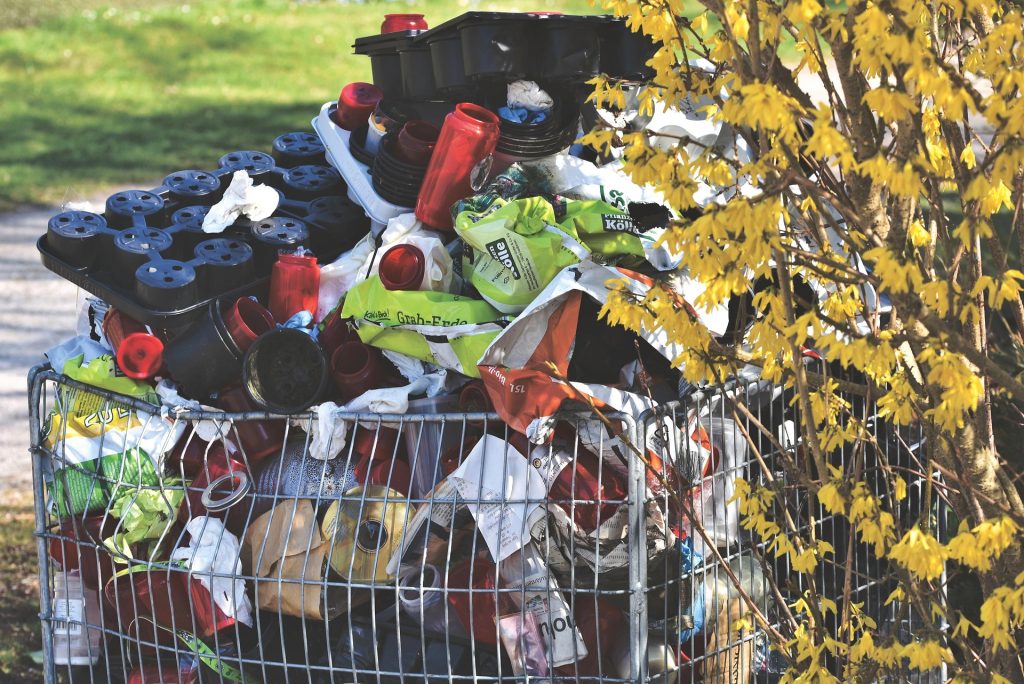
Sustainable Fashion and Circular Economy: Rethinking Waste in Nigeria’s Style Industry
Across Nigeria, fashion is vibrant, expressive, and culturally powerful. From Ankara to streetwear, from tailoring hubs to fast-rising urban brands, style shapes identity and livelihood.
But behind the beauty lies a growing environmental concern.
The rise of fast fashion, increased textile imports, synthetic fabrics, and poor waste management systems are contributing to mounting textile waste across markets and communities. Discarded clothes, fabric offcuts, nylon packaging, and plastic accessories are increasingly ending up in landfills, drainage systems, and open dumps.
Sustainable fashion is no longer a niche conversation. It is a climate, economic, and community issue.
And at the center of the solution lies the circular economy.
Why Sustainable Fashion Matters
Fashion is one of the most resource-intensive industries globally. In Nigeria, the impact is visible in:
- Textile waste clogging drainage systems
- Burning of synthetic fabrics releasing toxic fumes
- Rising second-hand clothing waste in markets
- Increased reliance on non-biodegradable materials
- Growing youth consumption driven by trends
Sustainable fashion focuses on reducing waste, extending product lifespan, and designing systems where materials are reused rather than discarded.
It shifts fashion from a “take–make–waste” model to a circular one.
Understanding Circular Economy in Fashion
A circular fashion system ensures that materials stay in use for as long as possible. Instead of discarding products after short use, circular models promote:
- Reuse and repair of clothing
- Upcycling discarded textiles
- Recycling fabric waste into new products
- Redesigning garments for durability
- Responsible consumption patterns
In practical terms, this means turning waste into creative opportunity.
In Nigeria’s context, this approach is not just environmentally smart, it is economically strategic. Tailors, designers, artisans, and young innovators can reduce costs while creating new revenue streams from materials already available within communities.
The Environmental and Economic Opportunity
Sustainable fashion supports:
- Waste reduction in markets and schools
- Youth entrepreneurship and green innovation
- Reduced pressure on landfills and drainage systems
- Lower carbon footprint from textile production
- Job creation through repair and upcycling services
For young people especially, fashion innovation can become a powerful gateway into climate leadership.
TGED Perspective: Trashion as Climate Education in Action
At TGED Foundation, we believe environmental education must be practical, creative, and youth-driven.
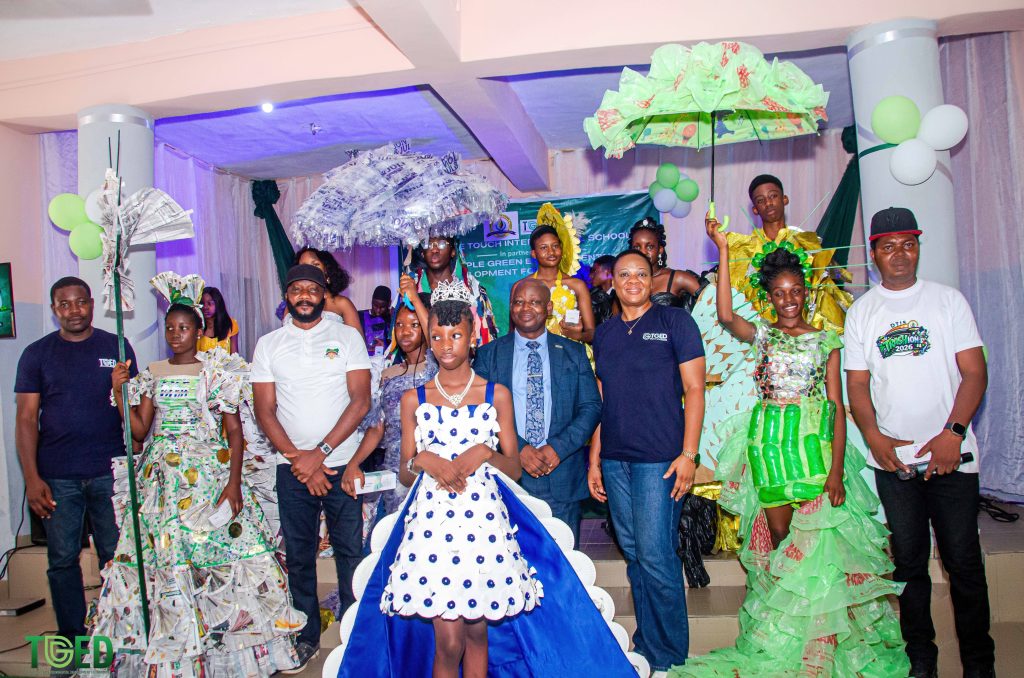
In partnership with Divine Touch International School, we implemented the “Trashion” Project: a hands-on circular innovation programme.

Students were challenged to design fashion pieces and functional items using discarded materials such as:
- Plastic bottles
- Nylon waste
- Fabric scraps
- Packaging materials
- Other recyclable waste
The results were inspiring.
Students transformed waste into wearable art, innovative accessories, and creative designs, demonstrating that sustainability and style can coexist. Beyond creativity, the programme strengthened:
- Environmental awareness
- Problem-solving skills
- Climate responsibility among young people
- Practical understanding of circular economy principles
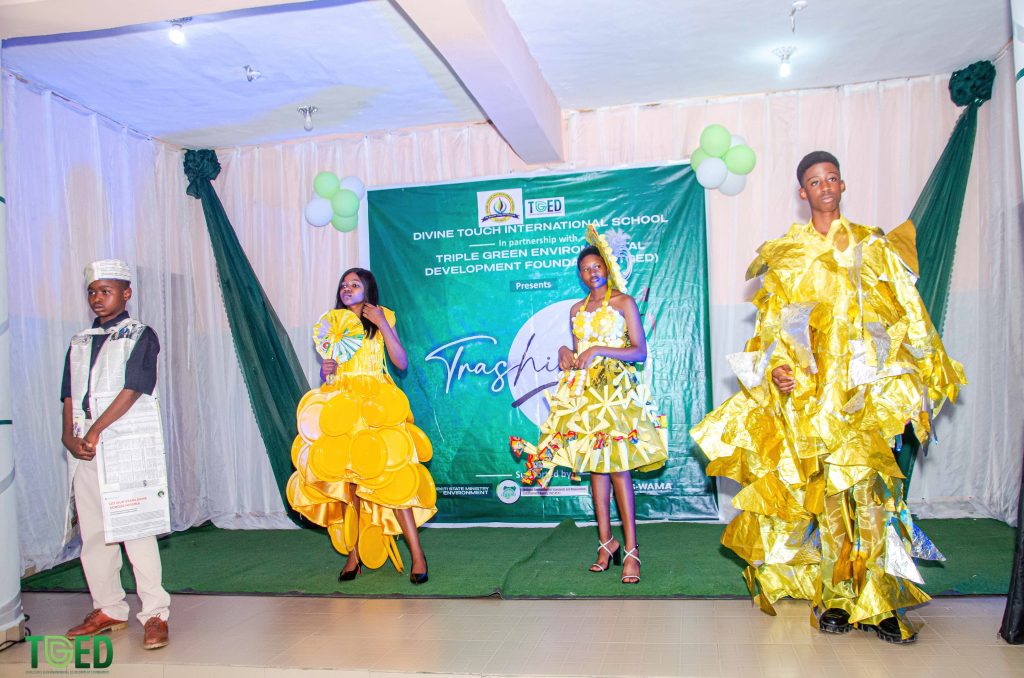
Trashion moved the concept of circular fashion from theory into lived experience.
When young people begin to see waste as a resource rather than a burden, behaviour shifts.
What Communities Can Do Today
Sustainable fashion does not require large infrastructure to begin. Communities can start with simple actions:
- Support local tailors who repair and redesign clothing
- Organize clothing swap events
- Donate usable garments instead of discarding them
- Encourage schools to integrate creative recycling projects
- Separate textile waste from general waste
- Promote responsible consumption habits among youth
Small shifts in behaviour can reduce textile waste significantly when practiced collectively.
From Waste Culture to Innovation Culture
Nigeria’s fashion industry is dynamic and influential. If sustainability becomes embedded in design, production, and consumption patterns, the impact could be transformative.
Circular fashion is not about limiting creativity.
It is about expanding it responsibly.
The future of sustainable development will depend on how industries like fashion adapt to climate realities. Schools, designers, entrepreneurs, and communities all have a role to play.
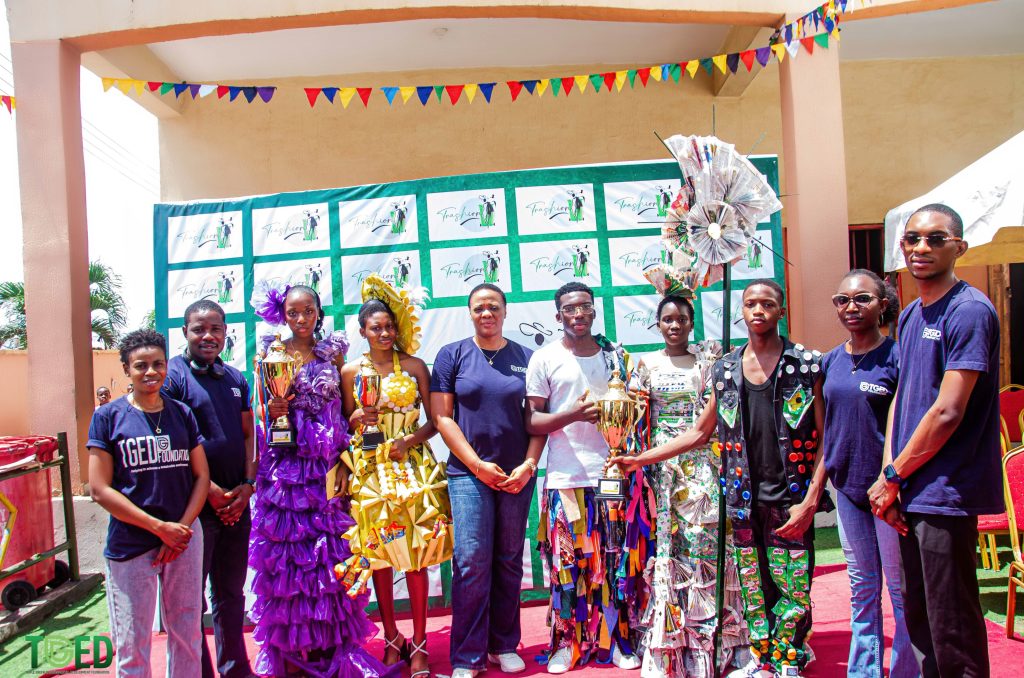
At TGED Foundation, we continue to champion practical environmental education that empowers young people to rethink waste, reimagine materials, and lead climate-responsive innovation.
Because the transition to a circular economy will not be driven by policy alone — it will be driven by mindset change.