
CLIMATE EDUCATION IN NIGERIA: WHY 2026 MUST BE THE TURNING POINT
January 27, 2026
JANUARY 2026 NEWSLETTER
February 3, 2026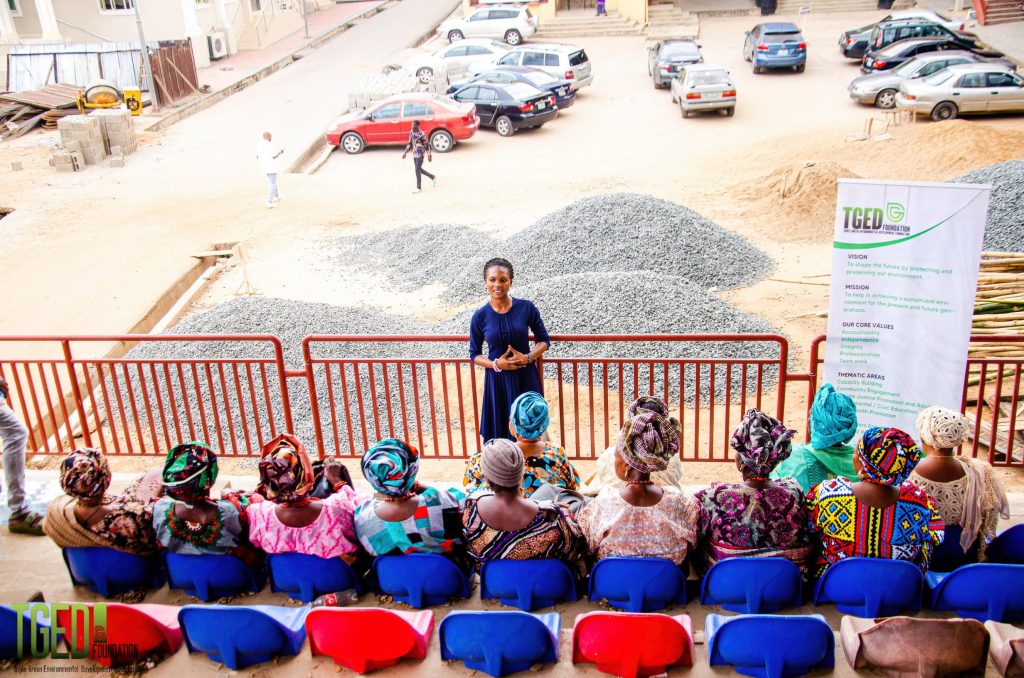
How Green Skills Are Transforming Women’s Economic Power in Africa
Across Nigeria and the wider Africa, climate change is reshaping daily life, from unpredictable rainfall to food insecurity, rising heat, and worsening waste challenges. These realities affect women the most. Yet, they also position women at the centre of climate resilience.
Today, green skills are emerging as one of the most powerful tools for strengthening women’s economic opportunities, boosting household resilience, and enabling climate-smart livelihoods. These are skills that are practical, accessible, low-cost, and deeply relevant to the realities of African women.
And more importantly, these are skills women can learn quickly and apply immediately.
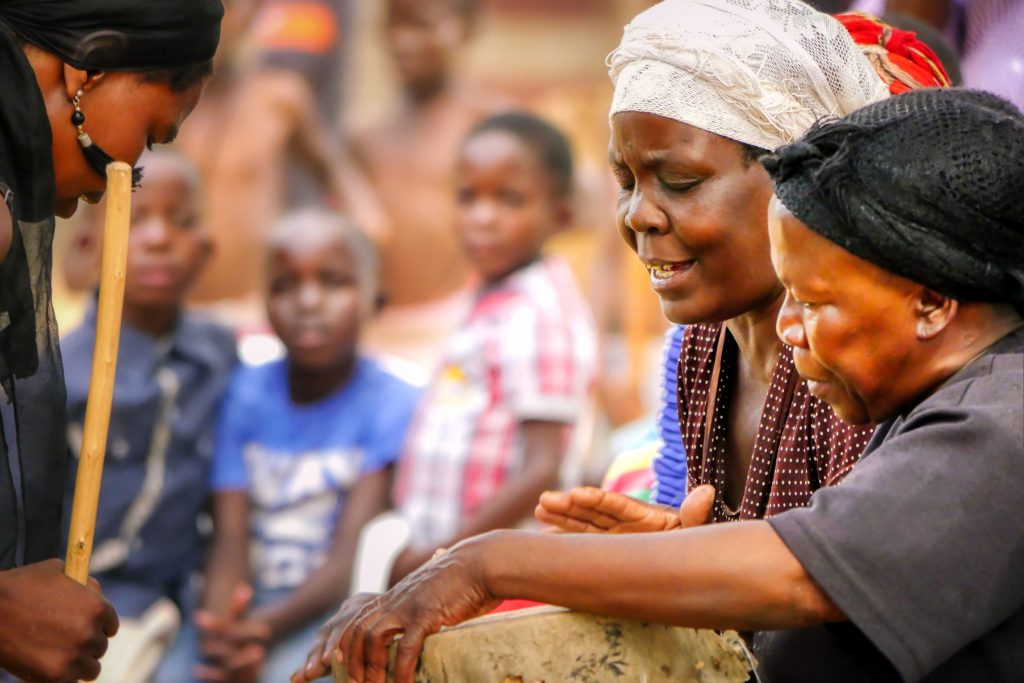
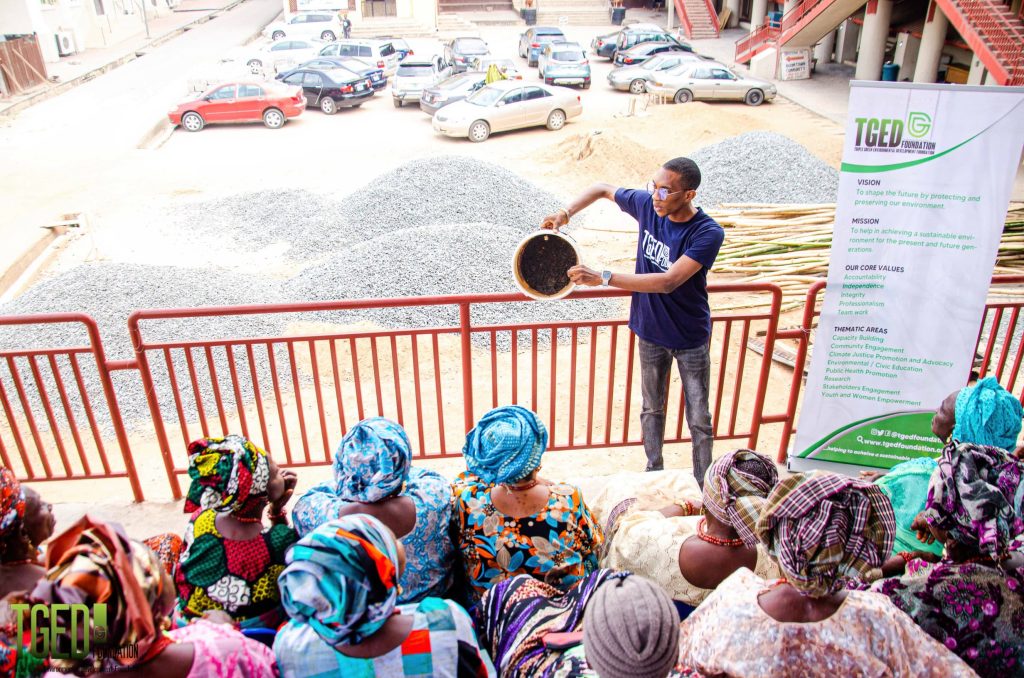
At TGED Foundation, we have seen this firsthand through our work with market women, rural mothers, youth, and community groups. Green skills are not just environmental; they are economic tools. They are empowerment tools. They are resilience tools.
Why Green Skills Matter for Women Today
In many African communities, women are responsible for food preparation, waste management, small-scale trading, and household decision-making. Climate stress — rising temperatures, food shortages, higher living costs directly affects these responsibilities.
Green skills matter because they:
- Offer low-cost livelihood opportunities
- Help women adapt to climate changes affecting farming, food, and water
- Strengthen household resilience
- Create pathways to small businesses
- Enable long-term economic independence
Most importantly, they allow women to move from reacting to climate challenges to leading climate solutions.
What Exactly Are Green Skills?
Green skills are practical abilities that support environmental sustainability while creating livelihood opportunities.
Some of the most accessible include:
- Recycling & waste sorting (turning plastic into usable products, recycling collection)
- Upcycling & sustainable crafts (bags, décor, accessories)
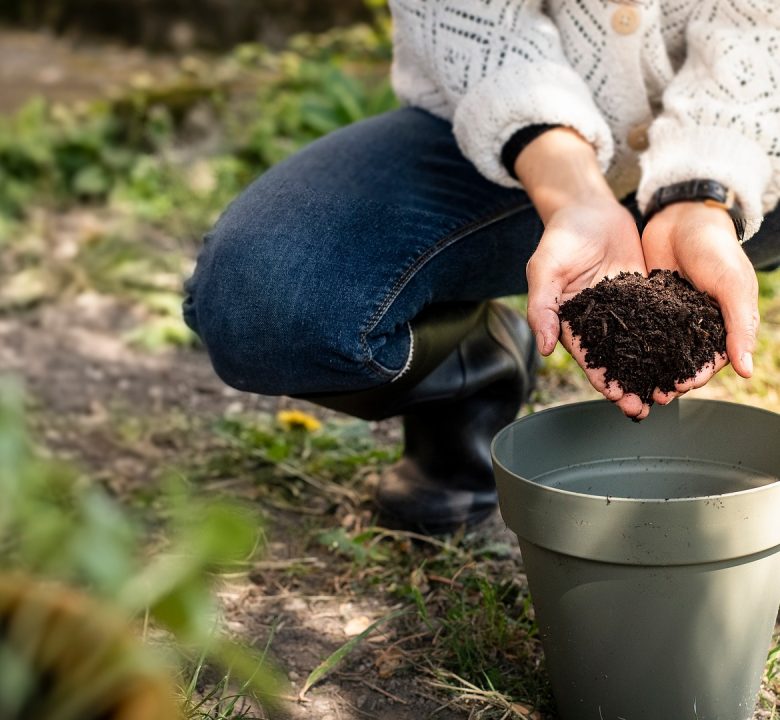
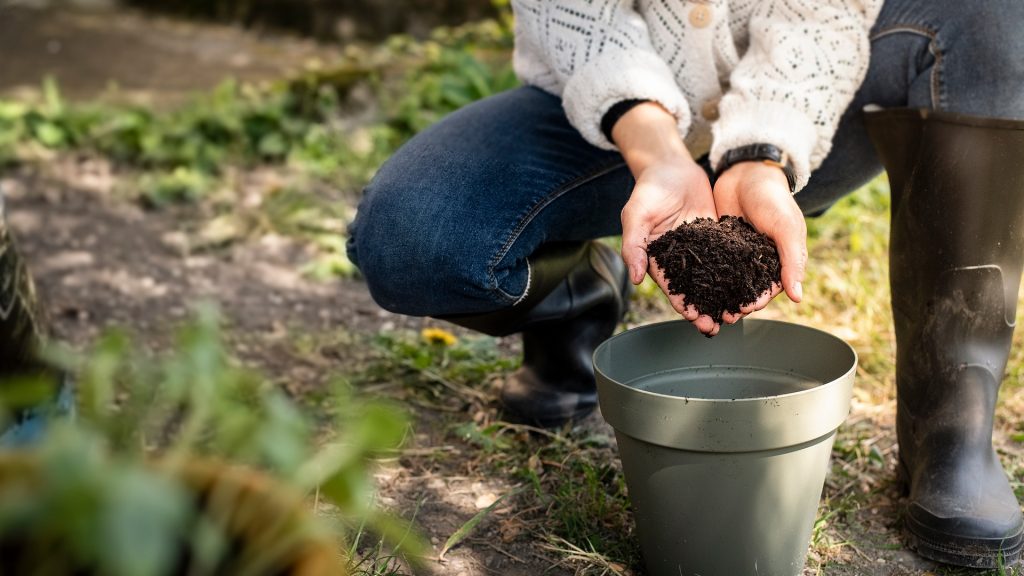
- Composting for household gardens or small-scale sale
- Climate-smart agriculture (mulching, organic farming, drought-resistant crops)
- Vertical gardening — small spaces, high yield
- Basic renewable energy literacy
- Green digital skills (eco-storytelling, climate content creation, sustainability entrepreneurship)
- Environmental education skills used for community awareness
These skills don’t require large investments. They only require guidance, something TGED provides through our community workshops and women-focused programs.
How Green Skills Transform Women’s Economic Power
1. Low-cost skills that generate immediate income
Many green skills have zero to low start-up cost.
For example:
- Turning plastic waste into reusable items
- Selling compost from food waste
- Growing vegetables in small recycled containers
- Producing simple eco-friendly crafts
These become income sources within weeks, powerful for women with limited capital.
2. Flexible, home-based opportunities
Women balancing childcare, markets, or household duties can easily engage in:
- Vertical gardening
- Composting
- Small-scale recycling craft production
- Eco-friendly product sales
These are livelihoods women can run from home, reducing barriers to participation.
3. Pathways to green entrepreneurship
Green skills open new business areas:
- Zero-waste product ventures
- Community recycling collection
- Organic vegetable sales
- Natural skincare and eco-products
- Sustainable home-based services
These are fast-growing sectors across Africa.
4. Strengthened climate literacy and decision-making
When women understand climate risks, they can:
- Make informed farming decisions
- Choose climate-resilient practices
- Adapt household water and waste habits
- Lead community awareness
Knowledge increases agency and this something we prioritize across all TGED programs.
5. Household & community resilience multiply
Women pass on what they learn. A mother who learns composting teaches her daughter; a woman trained in recycling teaches neighbours.
With every skill gained, entire communities adapt.
Barriers Women Face and Why Support Is Needed
Women still face major hurdles when trying to access green skills:
- Limited training opportunities
- Digital literacy gaps
- Low awareness of climate-related income opportunities
- Time constraints
- Cultural expectations
- Lack of financial support and tools
This is why community-based education like TGED’s is essential.
We simplify learning, take training to rural and underserved areas, reduce barriers, and show women that sustainability is not abstract, it is practical.
What Governments, NGOs & Communities Can Do Next
Here are clear, actionable steps:
1. Integrate green skills training into community programs: Through schools, women’s groups, and local associations.
2. Strengthen women-focused climate education: Practical, hands-on learning builds confidence.
3. Support small starter kits: Seeds, soil, compost bins, simple recycling tools.
4. Partner with local NGOs: Grassroots organisations like TGED are closest to communities.
5. Expand digital access: Women need basic tools to access online green skills courses.
TGED Foundation’s Perspective: The Future of Green Skills for Women
Through initiatives like:
- Green Women Rising (digital + climate-smart entrepreneurship)
- Composting training for market women
- Community sensitization on waste, water, and plastics
…we’ve seen firsthand how green skills transform confidence, income, and resilience.
For TGED, empowering women is not a project, it is a strategic pathway to climate resilience in Nigeria and Africa.
Conclusion
Green skills are more than environmental practices, they are economic opportunities. When a woman gains climate-smart knowledge, her entire community becomes stronger.The future of climate action depends on women who are informed, empowered, and equipped.
At TGED Foundation, we remain committed to supporting women with the skills that matter for their livelihoods, their families, and their future.
Sign up for The Green Brief (Our Linkedin newsletter) to receive weekly insights on climate education, women’s empowerment, and practical sustainability: https://www.linkedin.com/build-relation/newsletter-follow?entityUrn=7421668258094665729