
JANUARY 2026 NEWSLETTER
February 3, 2026
From Community Action to Systems Change
March 3, 2026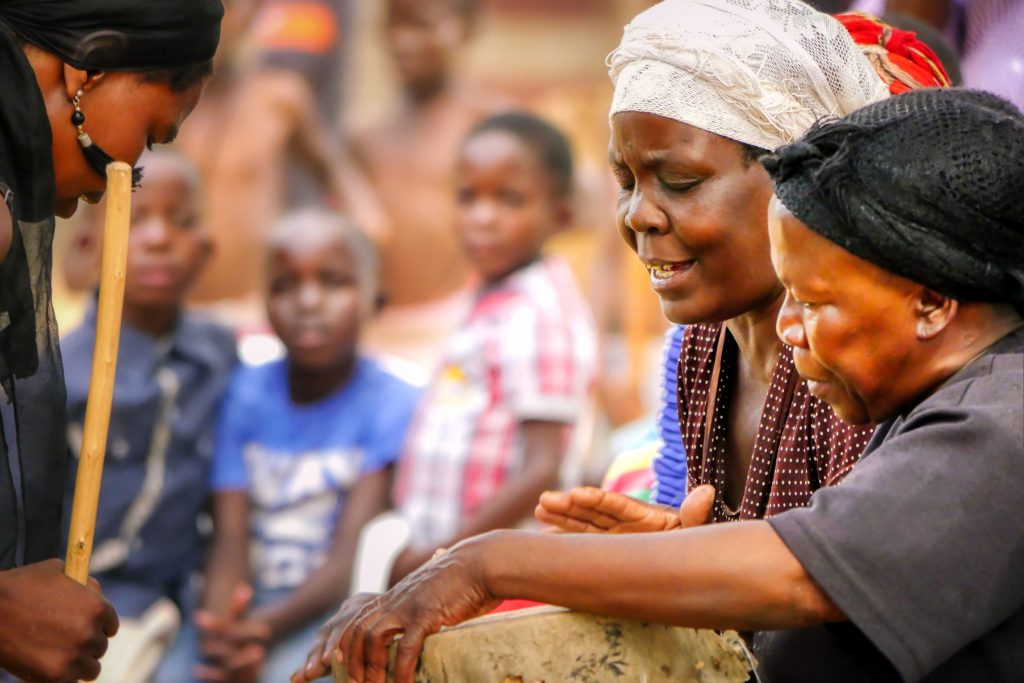
From Waste to Income: Why Women Must Lead Nigeria’s Circular Economy Transition
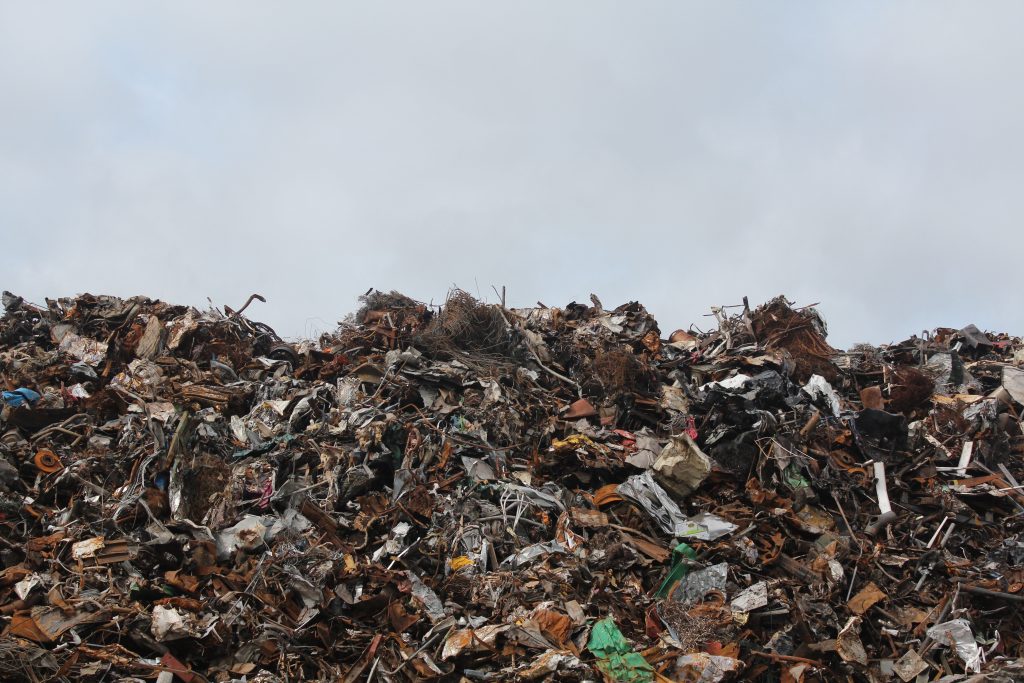
Across Nigeria, waste is often seen as a problem to be removed, collected, dumped, or forgotten. Yet within that same waste lies untapped economic potential.
Plastic, organic waste, agricultural residues, and discarded materials represent not only environmental challenges but livelihood opportunities. When structured properly, circular economy models can transform waste into income, resilience, and local ownership. And at the center of this transformation, women must not be peripheral participants, they must be leaders.
The Intersection of Waste, Gender, and Climate Justice
Women are already active across Nigeria’s informal waste and recycling value chains. They sort, recover, repurpose, and trade materials that would otherwise end up in landfills or waterways. They manage household waste systems and sustain informal markets that keep local economies functioning.
Yet despite their central role, women often operate without:
• Access to formal training
• Equipment or processing infrastructure
• Financial inclusion
• Policy recognition
• Market linkages
This is not only an economic gap, it is a justice gap.
A climate transition that ignores the contributions of women in waste recovery and circular systems risks reinforcing inequality instead of reducing it.
At TGED Foundation, our work consistently affirms a simple principle: environmental resilience must be inclusive to be sustainable.
Circular Economy as a Livelihood Strategy
The circular economy is not an abstract policy concept. At community level, it is practical.
It means:
• Composting food waste into agricultural inputs
• Recycling plastics into reusable materials
• Upcycling textiles and household waste
• Creating small-scale green enterprises
• Reducing dependence on environmentally harmful practices
For women, particularly in underserved communities, these activities can:
• Diversify income streams
• Strengthen economic autonomy
• Build climate-smart businesses
• Reduce household vulnerability
Through initiatives such as Green Women Rising and community-based environmental education, TGED has seen firsthand how skills development combined with environmental awareness increases both confidence and income potential.
When women are equipped with knowledge, tools, and networks, waste becomes opportunity.
Barriers That Must Be Addressed
Despite its promise, Nigeria’s circular transition remains constrained by structural barriers:
• Limited access to training and technical support
• Weak integration of informal waste workers into formal systems
• Poor infrastructure for material processing
• Inadequate financial inclusion mechanisms
• Insufficient policy recognition of women-led environmental enterprises
Without targeted investment and supportive policies, women-led circular initiatives will remain informal, undercapitalized, and undervalued.
This is where policy and community action must converge.
From Local Action to Systemic Change
Scaling women-led circular models requires more than individual entrepreneurship. It requires:
• Inclusive policy frameworks that recognize informal waste actors
• Capacity-building programme rooted in local realities
• Public awareness campaigns that shift behavioral norms
• Partnerships that connect grassroots innovators to markets
• Evidence generation to inform regulation and reform
At TGED Foundation, we believe that environmental education, livelihood empowerment, and policy engagement must work together. Circular economy strategies cannot be separated from climate justice.
If women are central to waste systems, they must also be central to governance systems.
A Practical Climate Strategy
Nigeria’s green transition will not be driven by policy documents alone. It will be driven by people, especially women transforming everyday materials into economic value.
Empowering women to lead circular economy solutions is not charity. It is smart climate strategy.
It reduces emissions.
It strengthens livelihoods.
It improves waste systems.
It advances equity.
When communities are supported to convert waste into wealth, environmental protection and economic resilience reinforce one another.
The future of Nigeria’s circular economy will be defined not only by infrastructure and regulation, but by whether we recognize and invest in the women already doing the work.
And that investment must begin now.