
FEBRUARY 2026 NEWSLETTER
March 9, 2026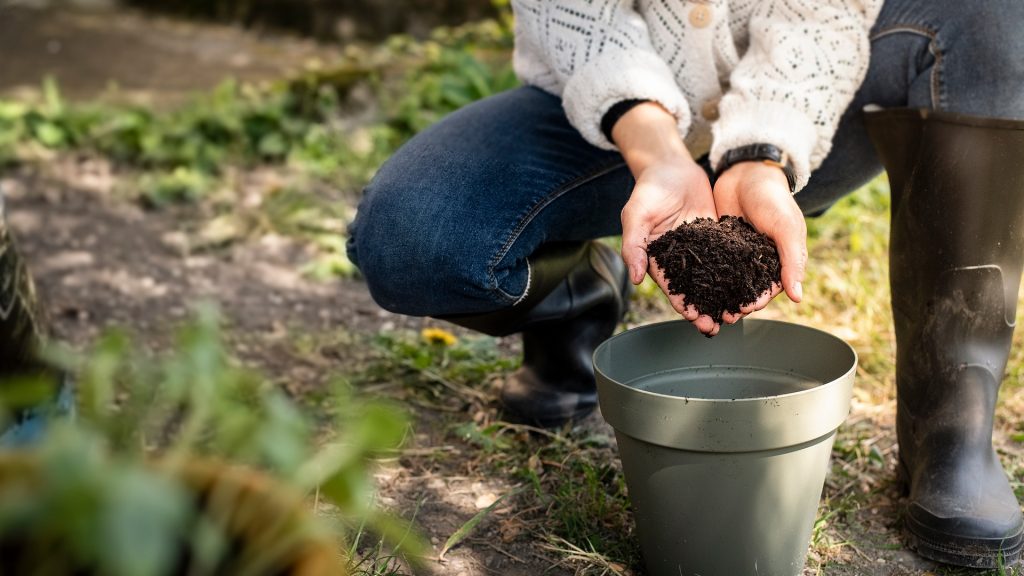
Declining Soil Fertility in Africa: A Growing Threat to Livelihoods and Food Systems
Across Africa, soil fertility is declining at an alarming rate. Farmers face lower crop yields, rising production costs, and increasing vulnerability to climate shocks. Poor soil management, erosion, overuse of chemical fertilizers, and deforestation are compounding the problem, threatening both livelihoods and food security.
This is not just an agricultural issue; it is a community, economic, and climate challenge. Without immediate action, millions of households’ risk reduced income, hunger, and long-term land degradation.
Why Soil Fertility Matters
Healthy soils are the foundation of productive agriculture, food security, and resilient livelihoods. Fertile soils:
- Sustain higher crop yields and quality
- Reduce reliance on costly chemical fertilizers
- Improve water retention and climate resilience
- Support biodiversity and ecosystem services
When soil quality declines, all these benefits erode, leaving communities more vulnerable to poverty, food shortages, and climate impacts.
Current Challenges Across Africa
Despite their importance, soils across the continent face multiple pressures:
- Over-cultivation and monocropping
- Nutrient depletion due to poor fertilization practices
- Soil erosion from deforestation and improper land use
- Increased vulnerability to droughts and flooding
- Limited adoption of sustainable soil management techniques
Farmers often lack access to knowledge, materials, and practical support to restore soil health. This creates a critical barrier to achieving sustainable food systems.
Solutions to Declining Soil Fertility
Addressing soil degradation requires integrated approaches combining science, traditional knowledge, and practical interventions. Key strategies include:
- Composting and Organic Fertilizers
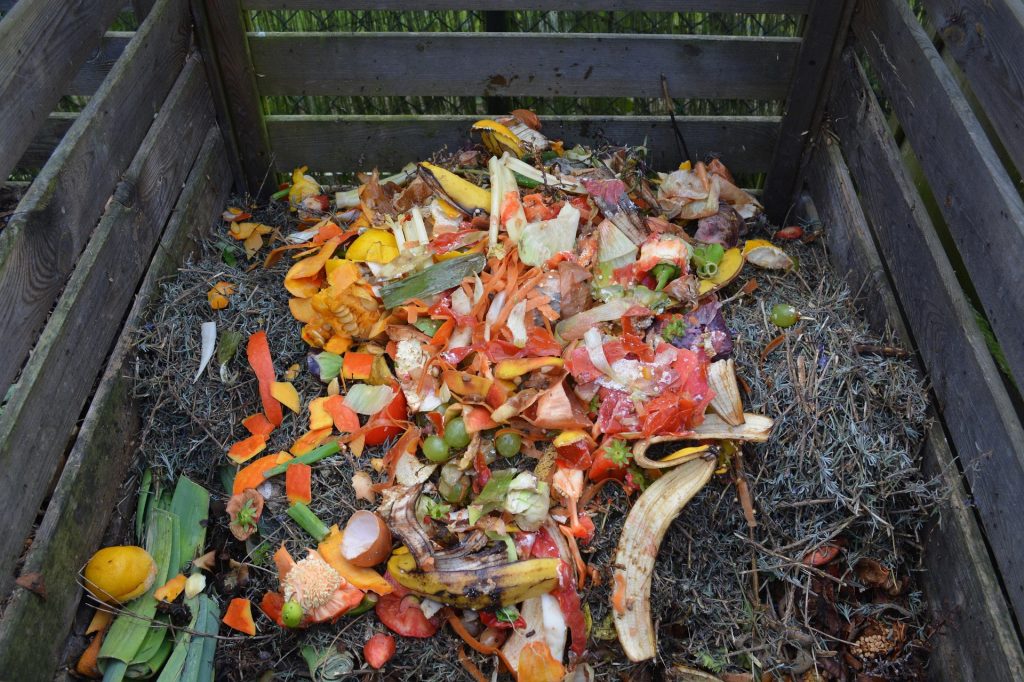
Converting food waste, crop residues, and animal manure into nutrient-rich compost replenishes soil nutrients naturally. - Agroforestry
Integrating trees into farms improves soil structure, prevents erosion, and adds organic matter. - Crop Rotation and Intercropping
Alternating crops or growing complementary plants reduces nutrient depletion and supports soil biodiversity. - Cover Cropping and Mulching
Planting cover crops or using mulch protects soil from erosion, retains moisture, and enriches nutrients. - Reduced Chemical Fertilizer Dependence
Combining organic amendments with judicious fertilizer use minimizes soil acidification and long-term degradation.
These solutions are most effective when implemented collectively and adapted to local contexts.
TGED Perspective: Turning Waste into Soil Solutions
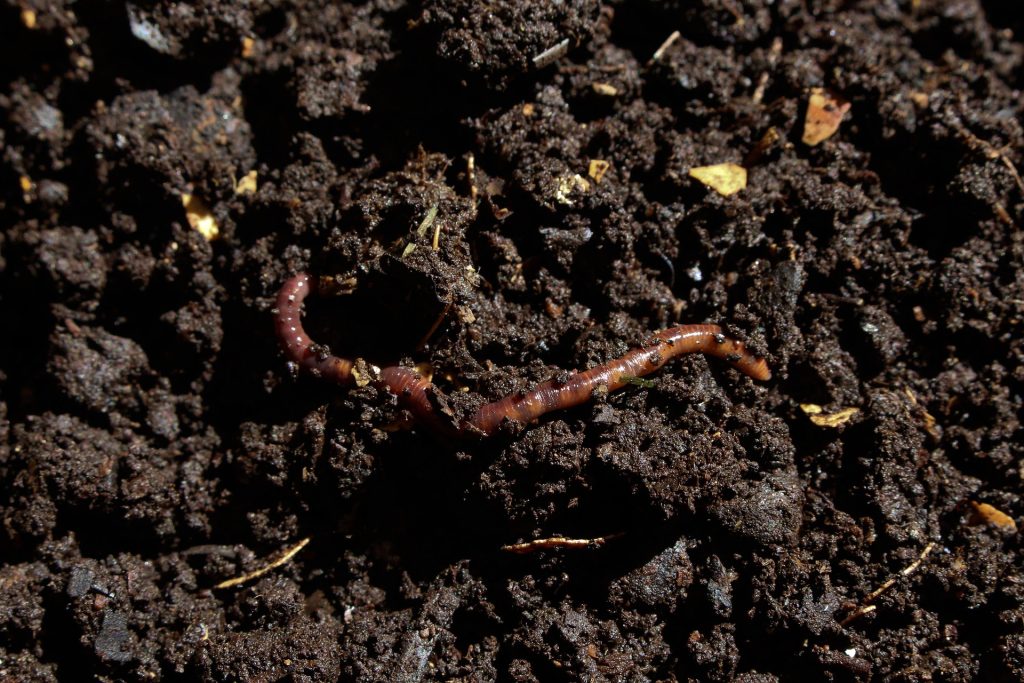
At TGED Foundation, we integrate community empowerment with soil restoration. Composting is a practical and accessible method we teach, turning waste into a productive resource.
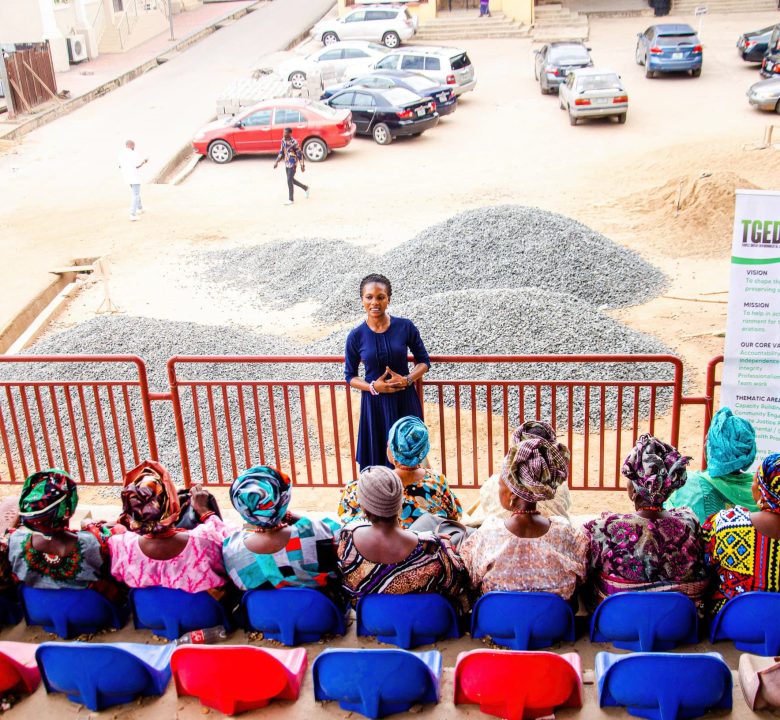
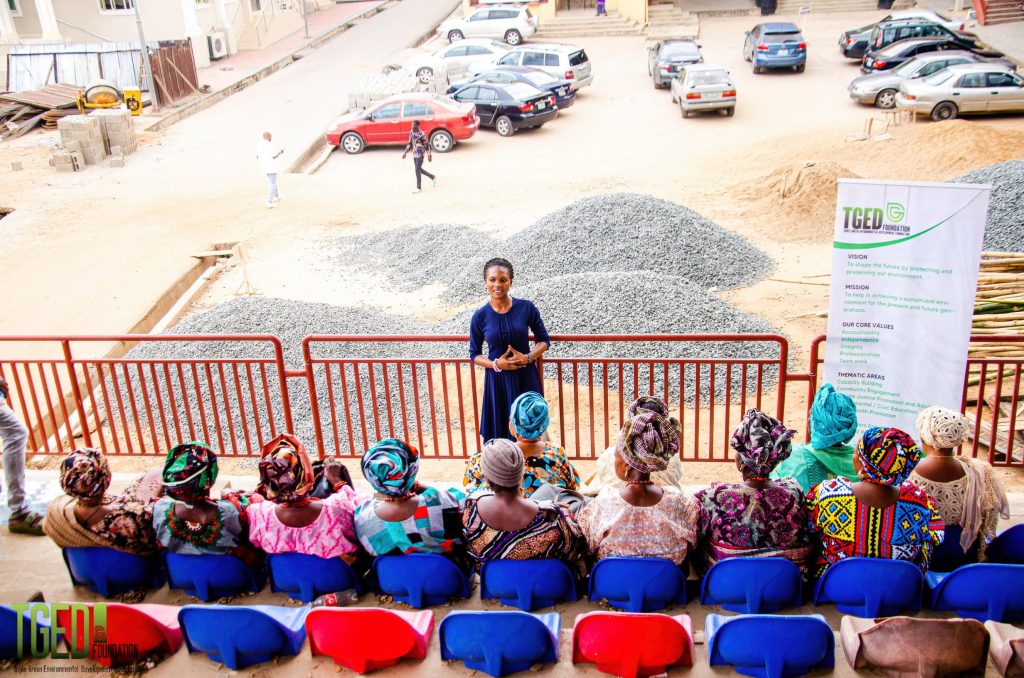
Our Women Composting Training in Igbemo, Ekiti State, Nigeria, is a recent example. On 10th of March 2026, we trained 16 women from the community on converting organic waste into nutrient-rich compost for small-scale farming. Participants learned:
- How to collect, sort, and process food waste safely
- Techniques for producing high-quality organic fertilizer
- Ways to apply compost to improve soil fertility and crop yield
Beyond composting, our programme raises awareness on soil health, sustainable farming practices, and community-led environmental stewardship, creating a holistic approach to restoring land productivity.
What Communities Can Do Today
Simple, scalable actions can help reverse soil degradation:
- Start small-scale composting at home or farm level
- Plant cover crops and practice crop rotation
- Integrate trees into farmland where possible
- Reduce chemical fertilizer use and adopt organic alternatives
- Protect soil from erosion using mulching and contour farming
When these practices are adopted widely, they improve productivity, food security, and climate resilience at the community level.
Conclusion
Soil is the foundation of Africa’s food systems and livelihoods. Declining fertility is a pressing threat, but practical solutions from composting to agroforestry can restore soil health and strengthen resilience.
In 2026, communities, farmers, and local leaders must prioritize soil restoration, integrate climate-smart practices, and leverage knowledge to protect their land.
At TGED Foundation, we are committed to empowering communities through practical soil restoration initiatives, building a generation that can transform waste into wealth, and degraded land into productive, fertile soil.