
2025 ANNUAL IMPACT DATA REPORT
December 22, 2025
How Green Skills Are Transforming Women’s Economic Power in Africa
February 2, 2026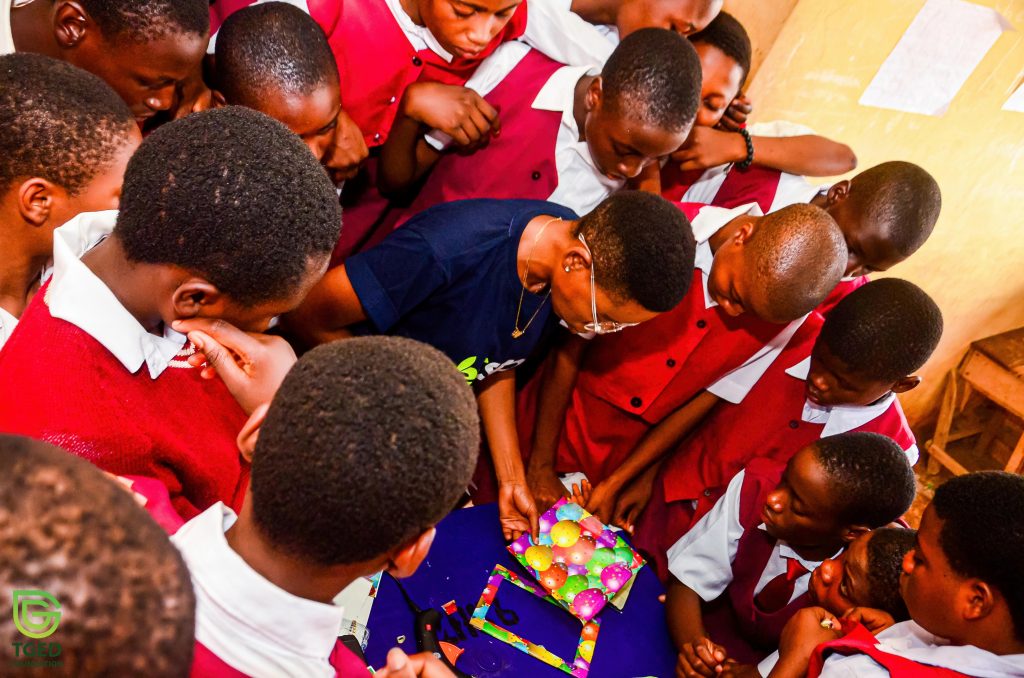
CLIMATE EDUCATION IN NIGERIA: WHY 2026 MUST BE THE TURNING POINT
Climate change is no longer a distant idea. Across Nigeria, communities are already feeling the real effects such as extreme heat, unpredictable rainfall, crop losses, water scarcity, and increased flooding. Yet many people still do not understand what climate change truly means or how it affects their daily decisions. This is why climate education in Nigeria must become a national priority in 2026.
Why Climate Education Matters Now
For communities to make better decisions about water use, farming practices, waste disposal, and environmental protection, they must first understand the issues. Climate education strengthens resilience, builds climate literacy, and empowers people, especially young people to take action. Without this knowledge, policies fail, community projects struggle, and misinformation spreads quickly.
What Nigeria Currently Lacks
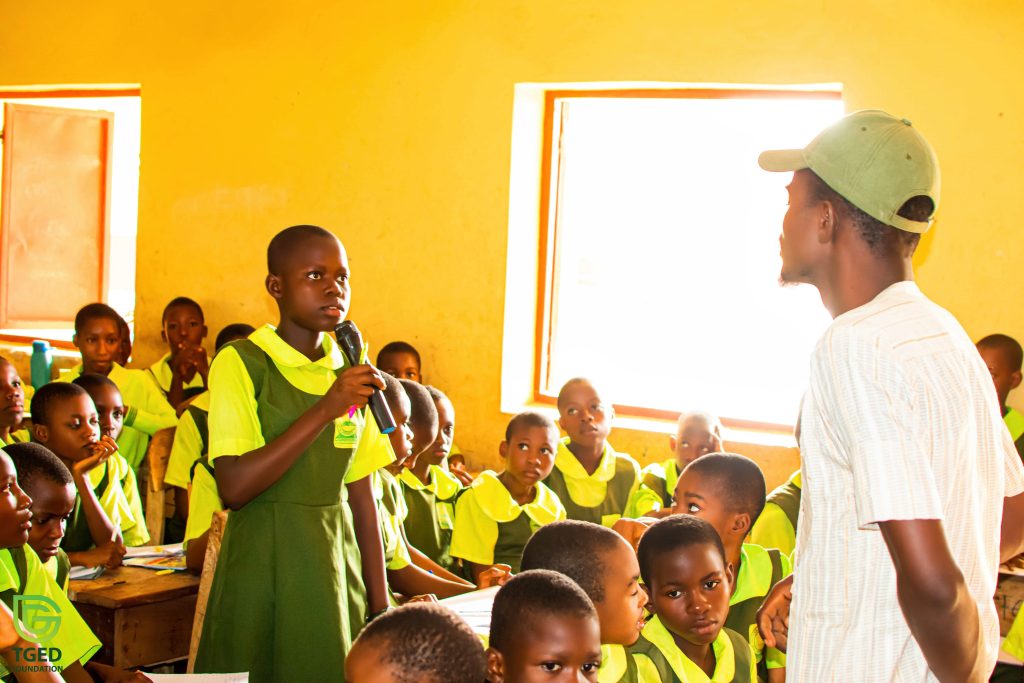
Despite growing climate risks, many schools across Nigeria still do not have structured environmental education programs. Teachers often lack training, students lack engagement, and communities rely more on observation and experience than on science or climate knowledge. Schools frequently want to do more, but they lack tools, materials, and models that make climate education practical and relevant.
This gap creates a major barrier to national climate resilience.
TGED Foundations Approach to Climate Education
At TGED Foundation, we deliver climate education through models that are simple, practical, and community-driven. Through the Eco Savers School Project (ESSP) and Greener Minds eco-clubs, we have partnered with more than 40 schools and reached over 2,664 students directly and over 20,000 students indirectly with hands-on learning.
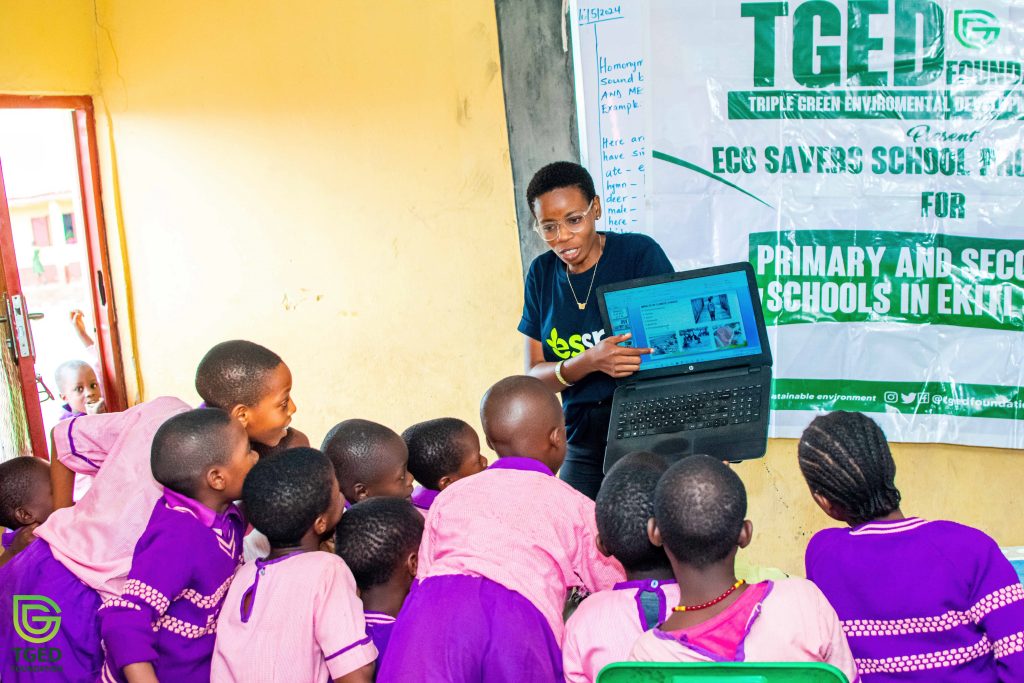
What makes our approach effective is its grounding in real community contexts and not theory. We teach through:
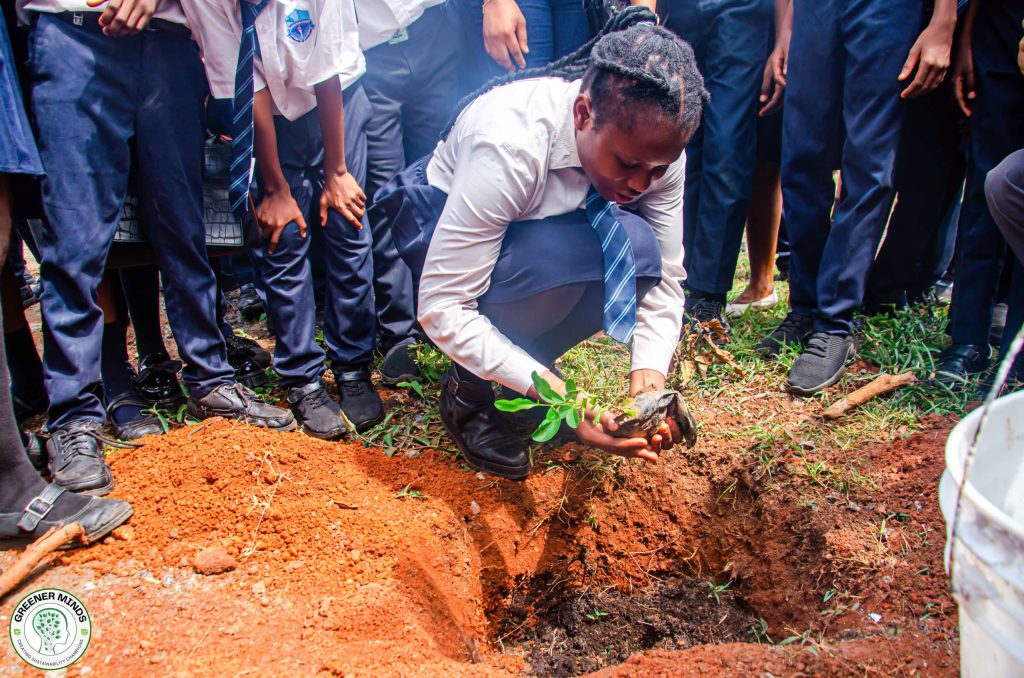
- Tree planting
- Waste sorting
- Vertical gardening
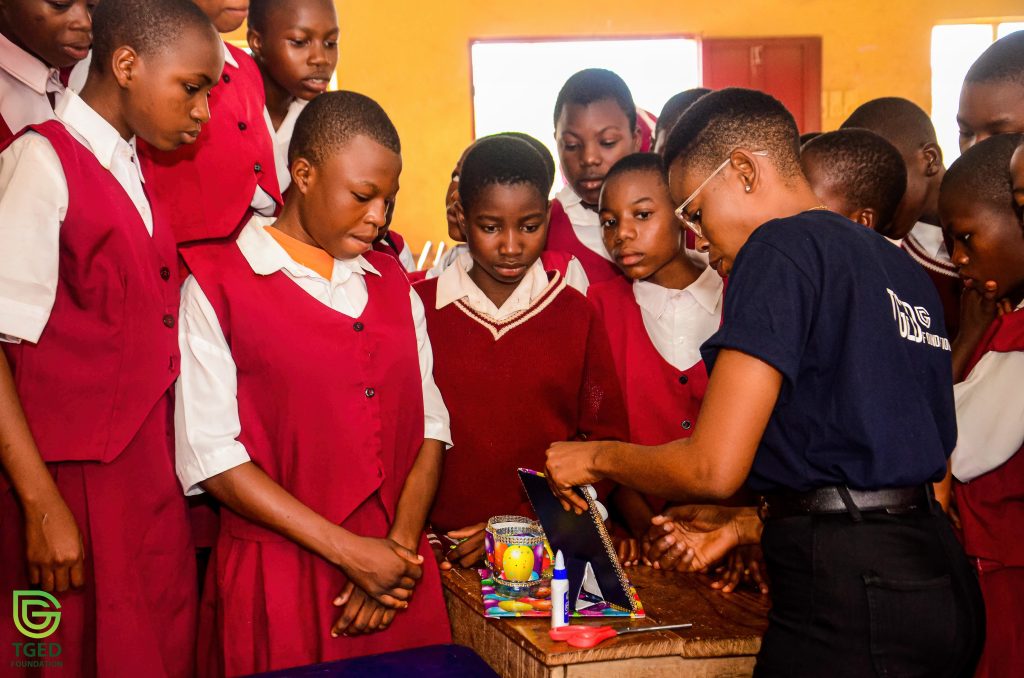
- Practical recycling
- Storytelling
- Community-led climate actions
These activities help students internalize climate concepts in relatable and memorable ways.
How Schools and Communities Can Start Today
Here are practical, low-cost actions that schools and households can adopt immediately:
- Add 15–20 minutes of environmental learning weekly. Start with basic climate literacy.
- Create simple waste sorting points using local materials such as baskets and labelled containers.
- Start a vertical garden using plastic bottles or old buckets.
- Use storytelling to help students understand climate impacts and personal responsibility.
- Encourage parents and community members to adopt basic water- and waste-saving habits.
When these small actions multiply across communities, they create long-term behavioural change.
Why 2026 Must Be Different
Nigeria cannot strengthen climate resilience without informed citizens. When young people understand why trees matter, communities conserve more. When schools understand the value of recycling, households follow. And when women understand climate-smart livelihoods, families and communities become more resilient.
Climate education is not just a school activity — it is a national resilience strategy.
Conclusion
In 2026, TGED Foundation remains committed to building climate-smart communities through accessible, practical environmental education. Our goal is simple: make climate literacy a reality for every child, parent, teacher, and community we serve.
Sign up for our weekly newsletter and follow us on all our social media to receive updates and free climate education guides.